Three Months Lost
to a Buyer Who Couldn't Close
The Situation
The owner of this large West Allis duplex was elderly, under real financial strain, and working against a hard deadline: she had a place waiting in a senior living community and a date by which she needed to be there.
She had already tried to sell. A retail buyer had put the property under contract and then spent more than three months failing to close — and at the end of it, the financing collapsed entirely.
Understand what that means for someone in her position. Three months is not simply time lost. It is three months of continuing to carry a building she could not maintain, three months closer to a move-in date she could not postpone, and three months during which she believed the problem was solved. When it fell apart, she was further from the exit than when she started.
A buyer's pre-approval is not a commitment to lend. It is an opinion based on information supplied at that moment, and it can evaporate for reasons entirely outside your control — a job change, a new debt appearing in underwriting, a credit score movement, a rate shift, or an appraisal that will not support the price. Meanwhile your house is off the market, you have stopped taking other offers, and every week that passes is a week you cannot recover.
Then the Ceiling Came Down
While all this was going on, the building was deteriorating in a specific and expensive way.
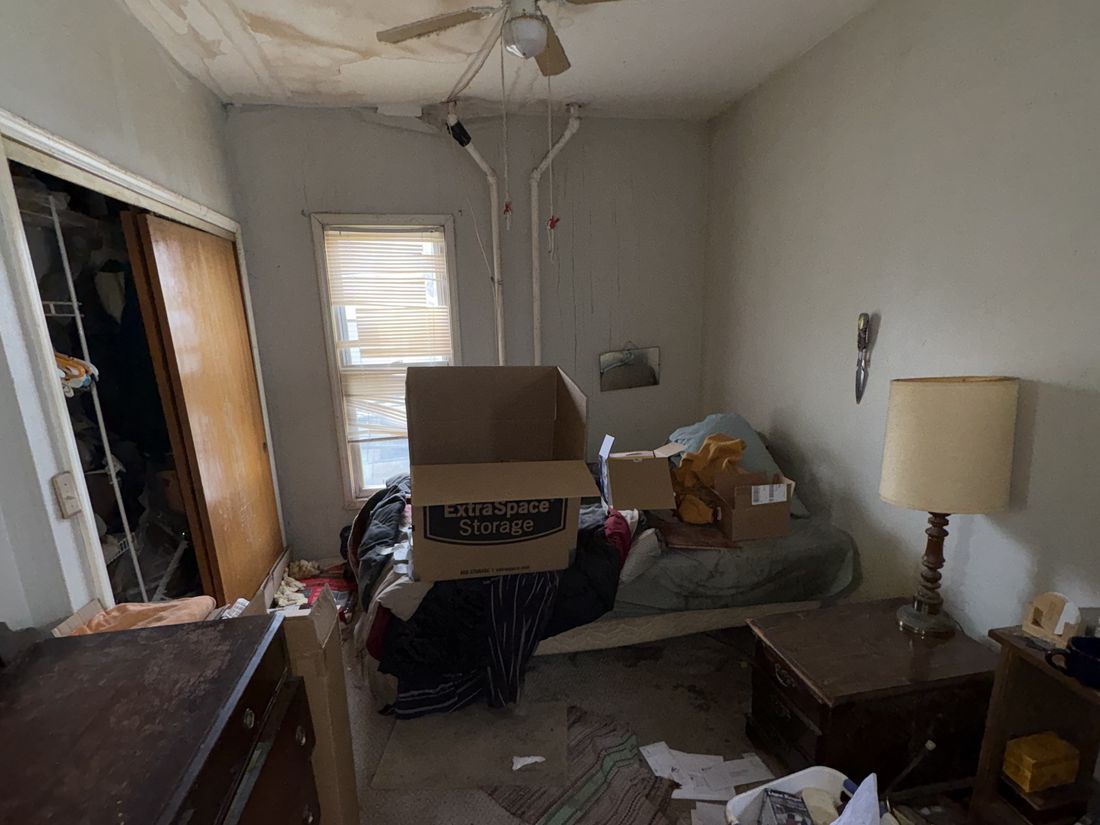
A radiator in the upstairs unit was leaking. Water from an upstairs hydronic system does not politely stay upstairs — it finds the floor structure, saturates it, and works down into the ceiling of the unit below. By the time it becomes obvious, the damage is structural rather than cosmetic.
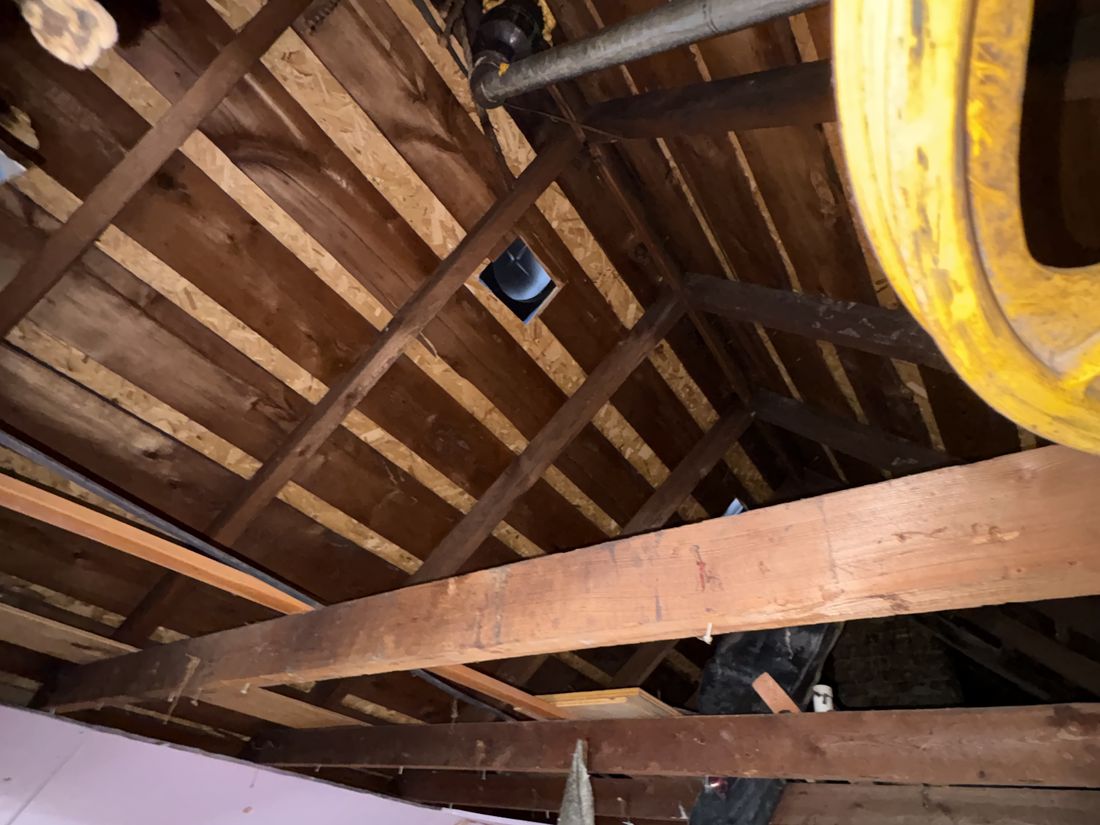
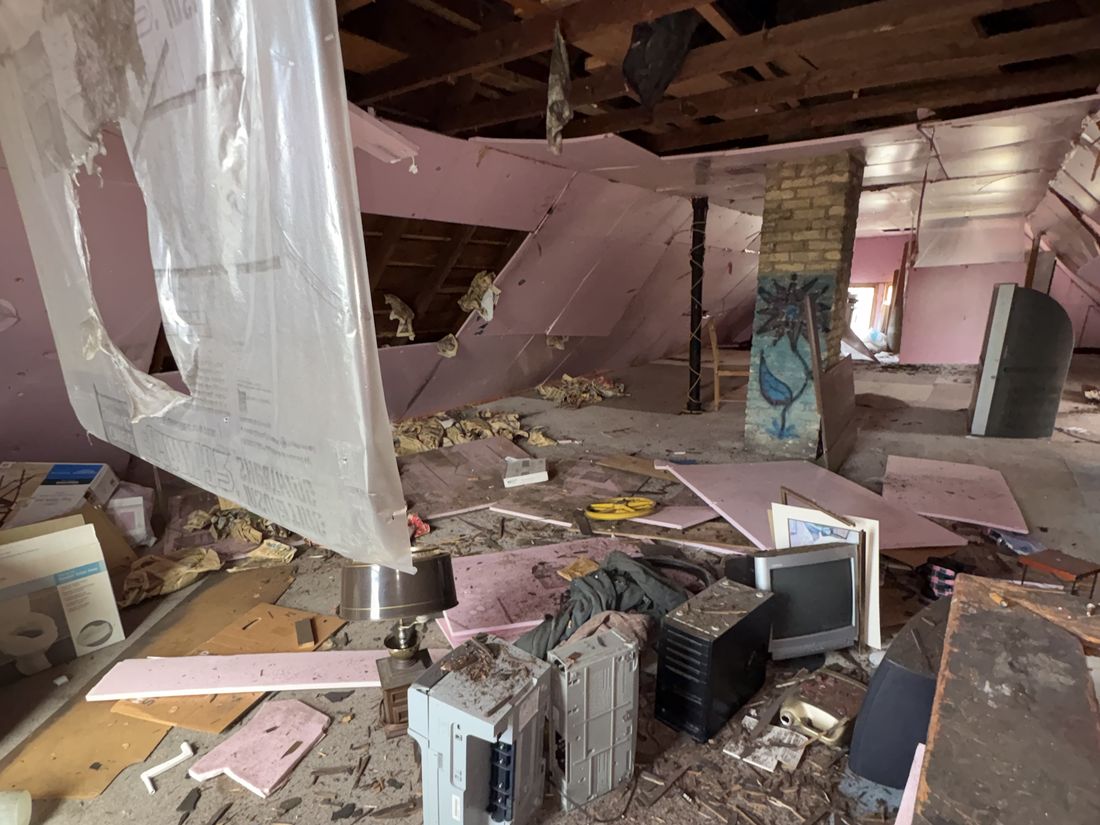
The gallery photographs show the result plainly: ceiling material down, joists exposed, insulation hanging, debris across the floor of the lower unit. That is not a repair a seller patches before an open house. It is a serious remediation job, and it is exactly the kind of thing that makes a property uninsurable and unfinanceable in its current state.
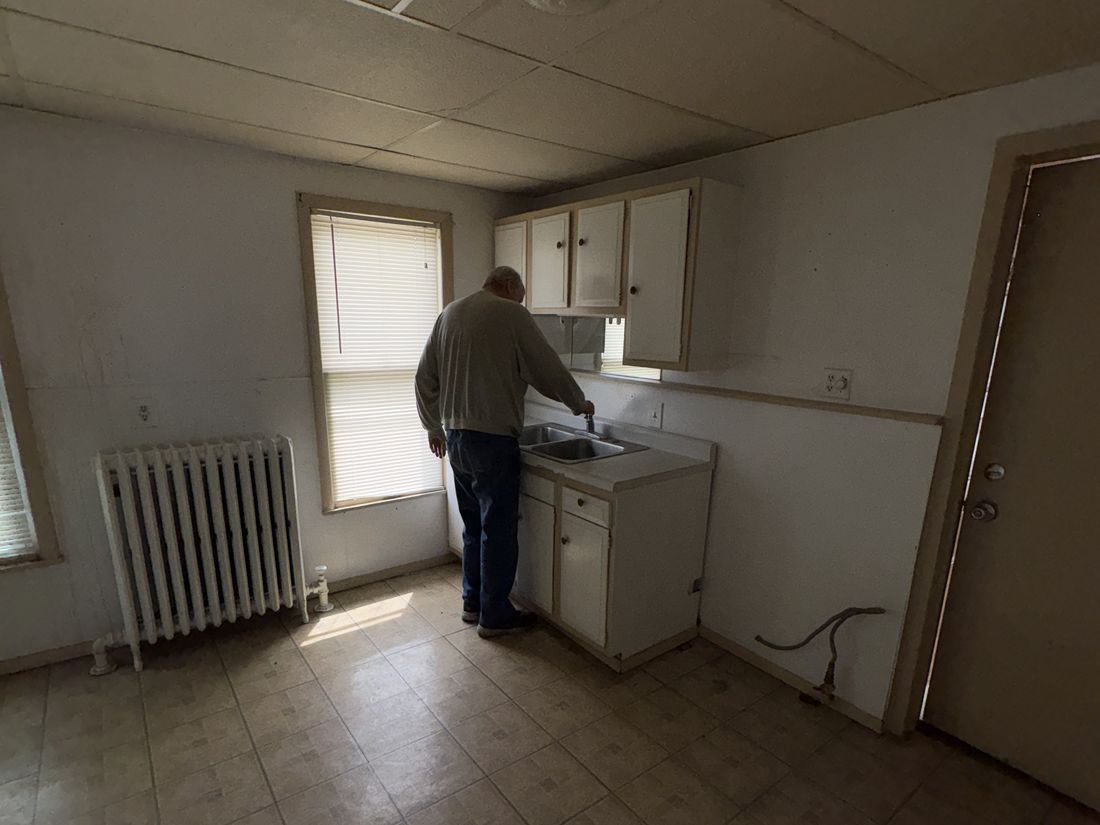
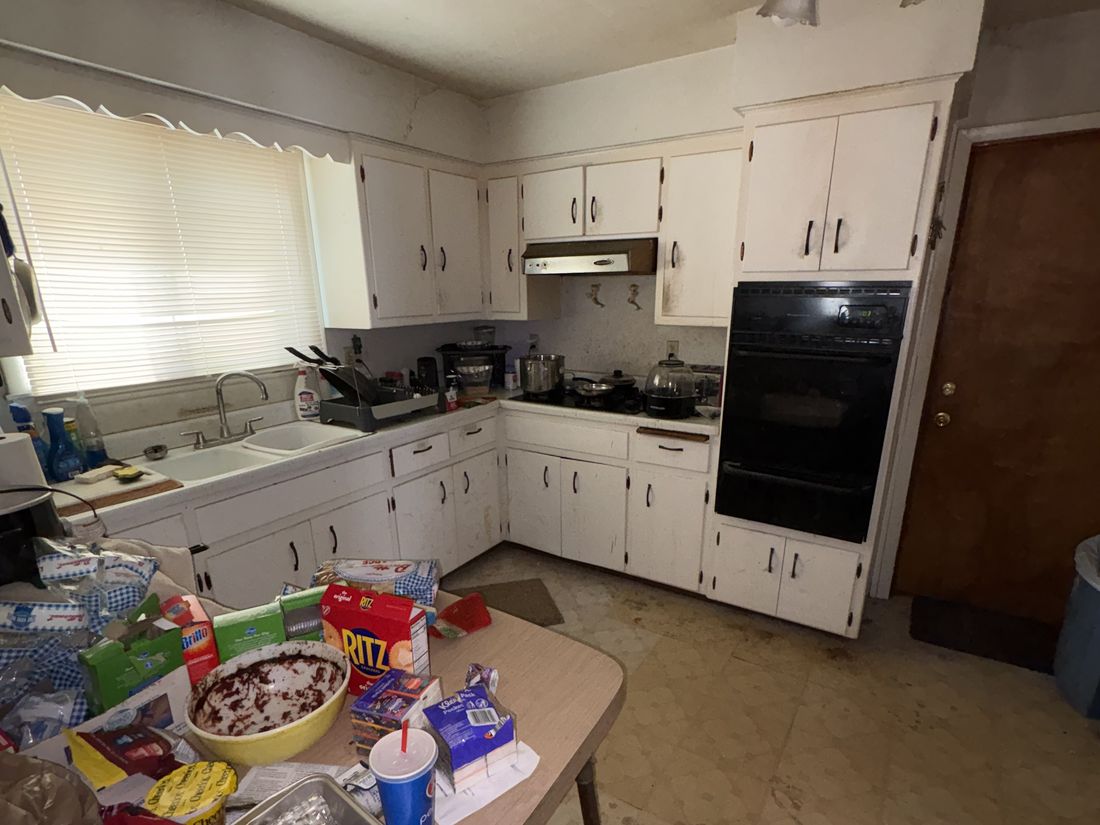
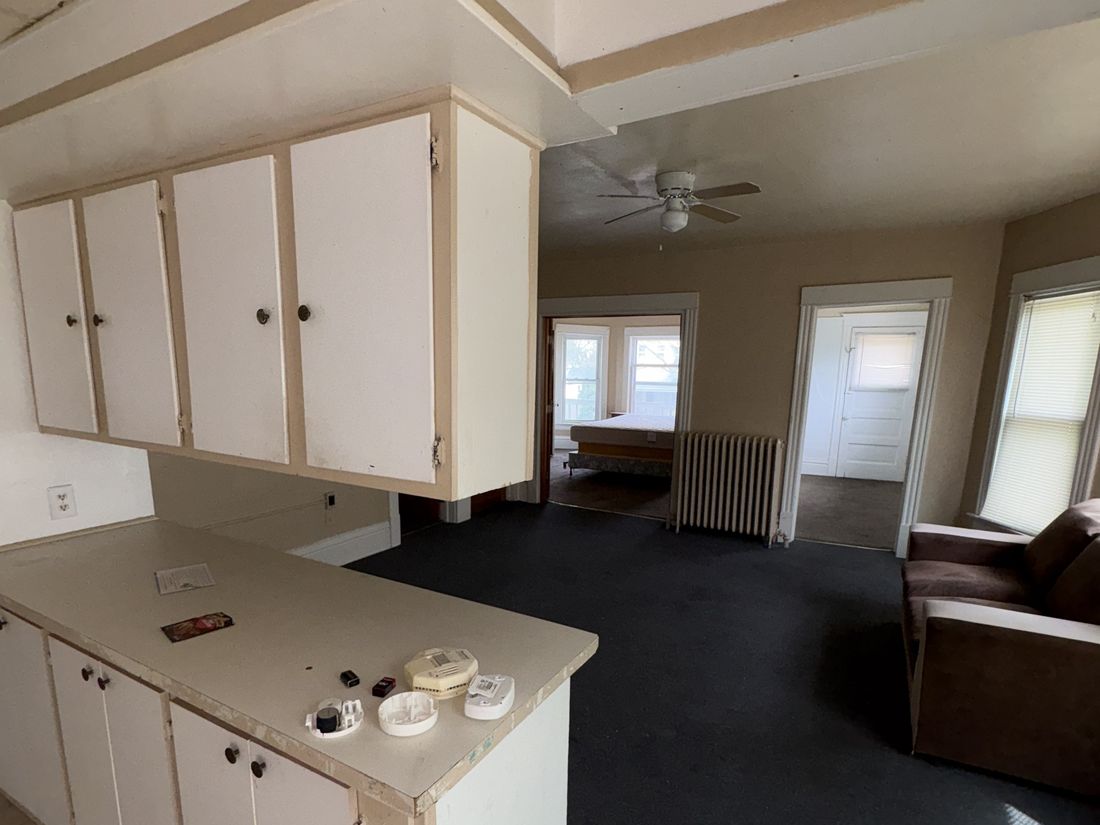
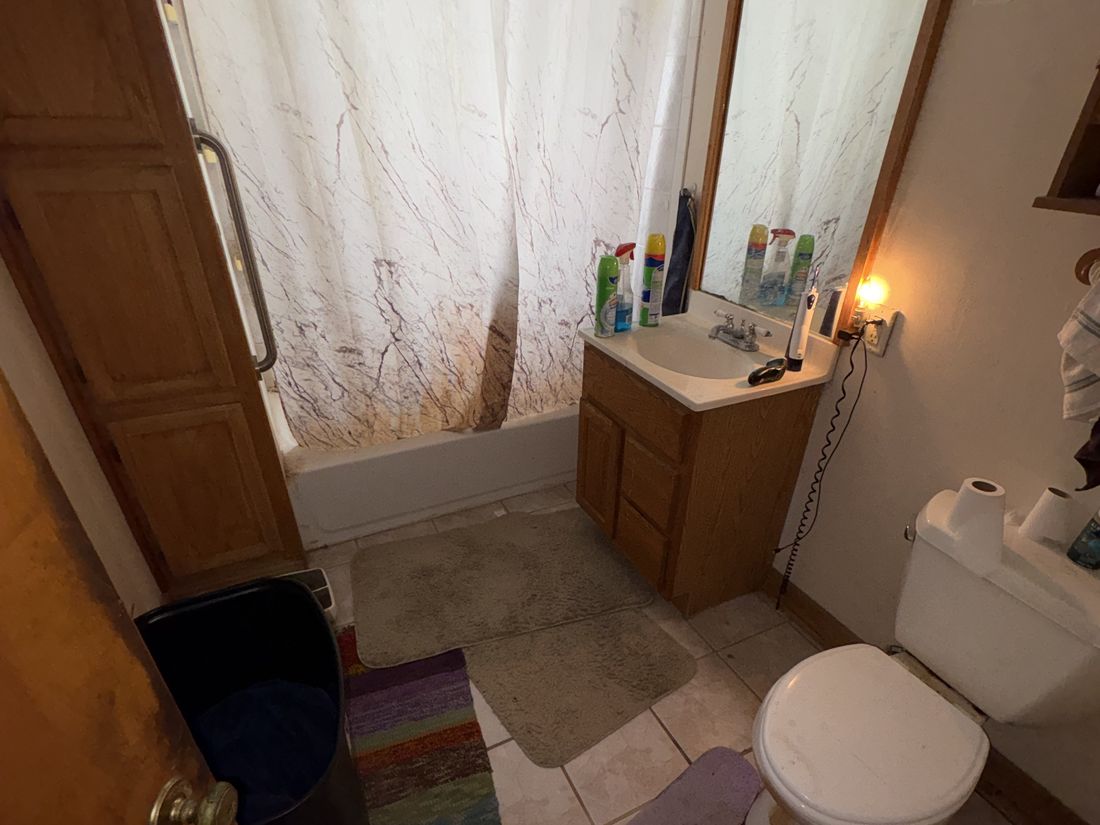
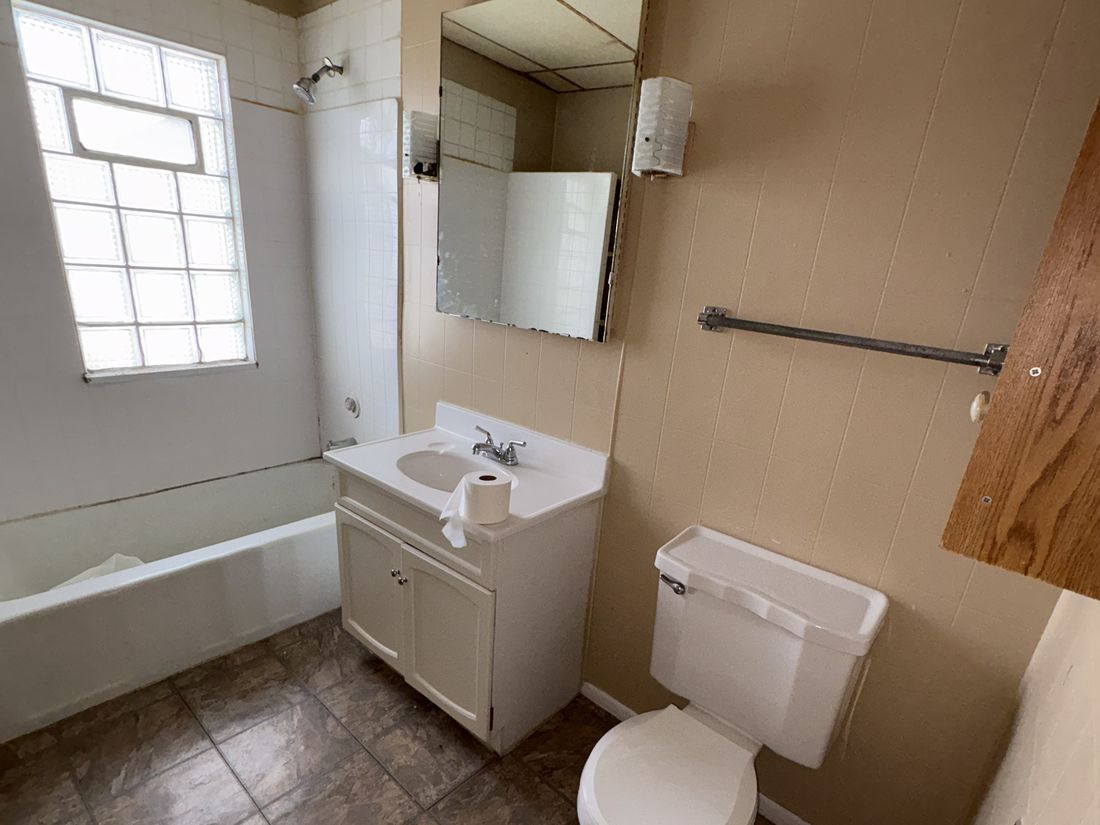
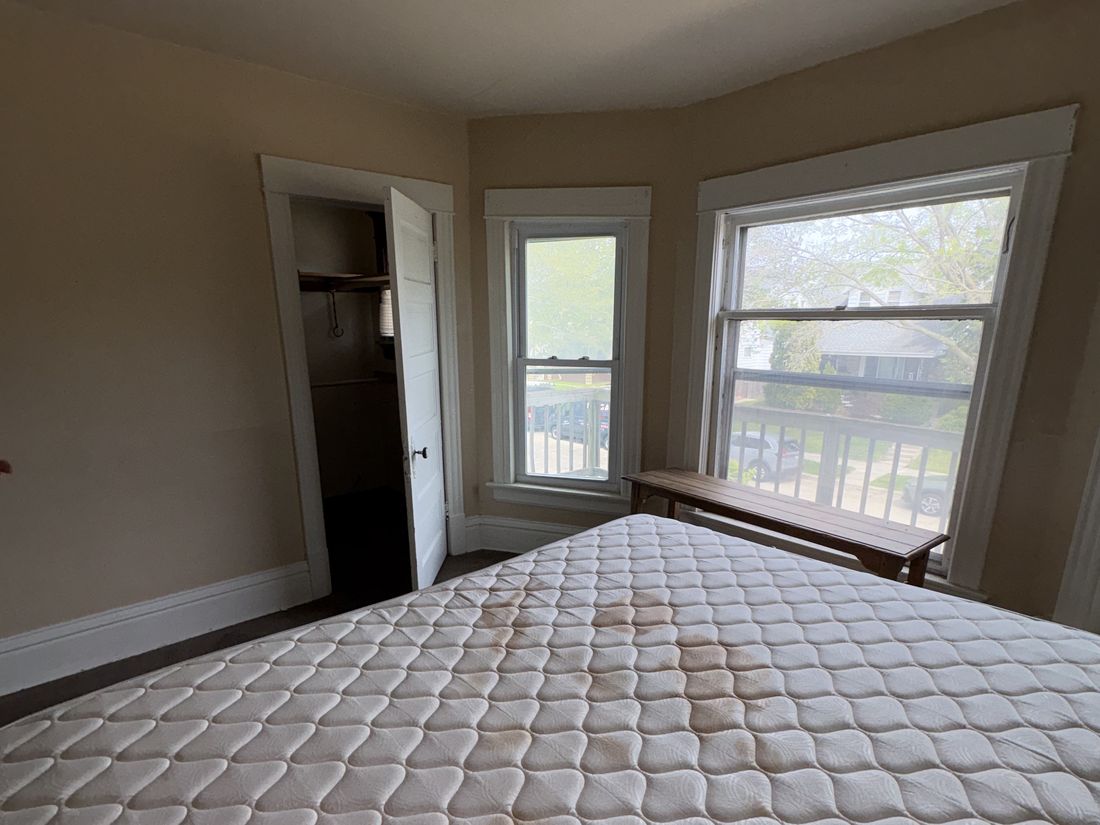
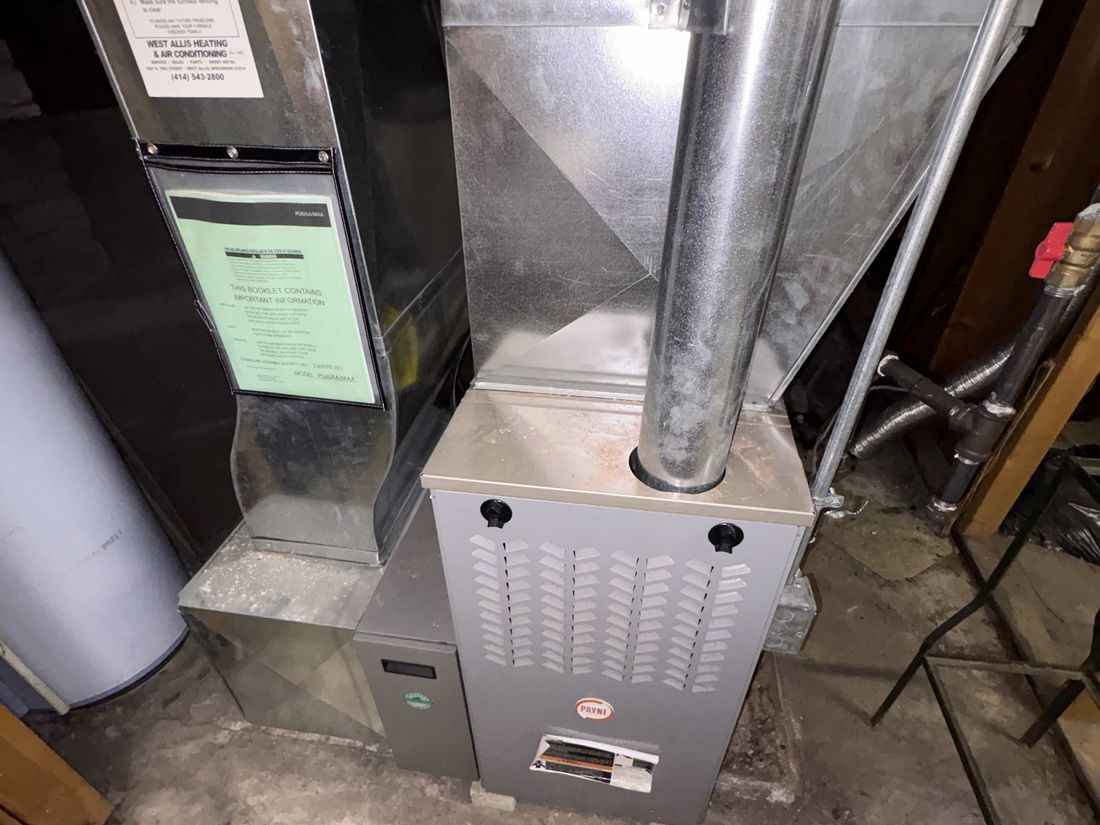
Layer that on top of what was already there — deferred maintenance throughout, outdated mechanicals, two dated kitchens and dated baths — and the property had moved well outside what a conventional buyer could purchase.
Why a Retail Sale Was Never Going to Work
It is worth spelling out, because sellers in this position are often advised to "just fix it and list it."
To sell this duplex on the open market she would have needed to: remediate the water damage and rebuild the ceiling structure; address the leaking radiator and likely the wider heating system; update or at least make presentable two kitchens and two bathrooms; and clear a fully occupied building of decades of belongings. All funded up front, all managed personally, by someone already in financial difficulty and physically unable to oversee contractors.
And then she would have had to find a buyer whose lender would approve a duplex of that age and condition — the same category of buyer who had just failed to close.
What We Did
We bought it entirely as-is, on a compressed timeline built around her move-in date.
No remediation before closing. No repairs. No cleanout. No inspection contingency to survive, no appraisal to satisfy, no lender to wait on. The water damage, the radiators, the mechanicals and the contents all became ours at closing.
What she needed was not the highest theoretical number — it was certainty, and a date she could rely on. She had already learned what a maybe costs.
If You're Selling a Duplex in West Allis or Milwaukee
The southeastern Wisconsin housing stock is full of buildings like this: solid two-unit properties, built for a different era, held by one family for decades, and now carrying the maintenance debt that comes with age. If you own one and you are considering a sale, these are the questions that determine whether a retail listing is realistic.
- Is there active water damage, or evidence of past leaks? This alone can make a building unfinanceable.
- How old is the heating system? Radiator and boiler systems in older Milwaukee-area duplexes are frequently at or past end of life.
- Are both units occupied, vacant, or mixed? Each creates different problems for a buyer.
- Can you personally carry the property — and manage contractors — for the three to six months a retail sale may take?
- Do you have a deadline that a failed sale would wreck?
That last question is the one that matters most. If a failed sale is an inconvenience, list the property; you will likely net more. If a failed sale means missing a move-in date at a care facility, the certainty of a direct purchase is worth real money.
We buy duplexes and rental property throughout Milwaukee County, buildings needing major repairs, inherited property, homes carrying tax liens, and properties owned by people downsizing or moving into care. If a lender has already begun proceedings, our guide to the Wisconsin foreclosure process explains the timeline, and our Milwaukee County tax foreclosure guide covers what happens when property taxes fall behind.
Two more worth reading: selling as-is versus renovating first, which works through the arithmetic, and how cash offers are actually calculated, so you can see where a number comes from rather than taking it on faith.
Where We Buy in Southeast Wisconsin
West Allis is one of our most active markets, and duplexes are a property type we look for specifically. We also buy in Milwaukee, Wauwatosa, Greenfield, Cudahy, Oak Creek, Franklin, New Berlin, Brookfield, Waukesha, Menomonee Falls, Mequon, West Bend, Racine and Kenosha. See all areas we serve, or read how the process works and how we compare to listing with an agent.
Financing Fallout & Damaged Property — Common Questions
My buyer's financing fell through. What do I do now?
First, understand what you have lost: the time, and the market's perception. Your listing has accumulated days on market, and the MLS shows it went under contract and returned — which every agent reads as "something was found." Relisting usually means accepting a lower number than the offer that failed. If you have a deadline, the more important question is whether you can survive a second failure. If you cannot, a direct cash purchase removes the lender from the equation entirely.
How can a pre-approved buyer still fail to get a mortgage?
A pre-approval is an opinion based on the information available at that moment, not a commitment. Between pre-approval and closing the lender re-verifies everything, and plenty can change: a job or income change, a new debt appearing on credit, a credit score movement, a rate shift that pushes the payment beyond what they qualify for, or an appraisal that will not support the price. On older multi-family the appraisal and the property's condition are the most common failure points.
Can I sell a duplex with serious water damage?
To a cash buyer, yes. To a financed buyer, usually not until it is repaired — a lender will not fund a property with active structural water damage, and an insurer may decline to cover it. That is the trap: the repair must happen before the sale, which means the seller funds it, on a property they are trying to leave. We buy in this condition routinely and take the remediation on ourselves.
What happens when an upstairs radiator leaks?
Water escapes into the floor structure and works downward into the ceiling of the unit below. Because it is hidden, it is usually discovered late — by which point the framing is saturated, the ceiling has failed, and there is often mould. In a hydronic system the leak runs at system pressure, so the volume can be significant. This is one of the more expensive failures in older Milwaukee-area duplexes, and one of the most common.
I'm moving into senior living and have a deadline. Can you work to a date?
Yes, and this is one of the most common reasons people call us. We can close quickly when funds are needed to secure a place, or schedule to a specific date so the sale and the move line up. The elderly owner of this duplex had a fixed move-in date and had already lost three months to a failed buyer — the certainty of a scheduled closing mattered more to her than squeezing the last dollar out of the price.
Do I need to clear out the building first?
No. This duplex was full of belongings across both units and that was simply part of what we took on. Take what matters to you and leave the rest. For an older seller managing a move into care, clearing a building is often the single most daunting part of the process, and removing it from your list is a large part of what a direct sale is for.
Will you buy a duplex with tenants still in it?
Yes. We buy tenant-occupied buildings regularly and take the tenancy as it stands, including month-to-month arrangements. You do not need to serve notice or empty units before selling, and we handle the security deposit accounting at closing. Our guide to selling rental property in Milwaukee covers the wider considerations including tax treatment.
How is a cash offer on a damaged duplex calculated?
We start from what the building will be worth repaired and stabilised in its specific West Allis submarket, then subtract the cost of getting it there — remediation, structural repair, mechanical work, two kitchens and two baths, cleanout, carrying costs and our margin. On a multi-family we also weigh occupancy and the quality of the rent roll. Our breakdown of how cash offers are calculated walks through the arithmetic.
How quickly can you close?
An offer within about 24 hours of seeing the property, and closing in as little as seven days where title is clear. Wisconsin closings are handled through a title company rather than requiring attorneys on both sides, which keeps the process relatively quick. If you need a specific date rather than speed, we can schedule to it.
Do you buy duplexes in West Allis specifically?
Yes — West Allis is one of our most active markets and duplexes are a property type we actively look for. The city's housing stock is heavily two-unit, much of it built pre-war and now carrying the deferred maintenance that comes with age. The characteristics that make these buildings hard to finance are not obstacles for a cash purchase.