
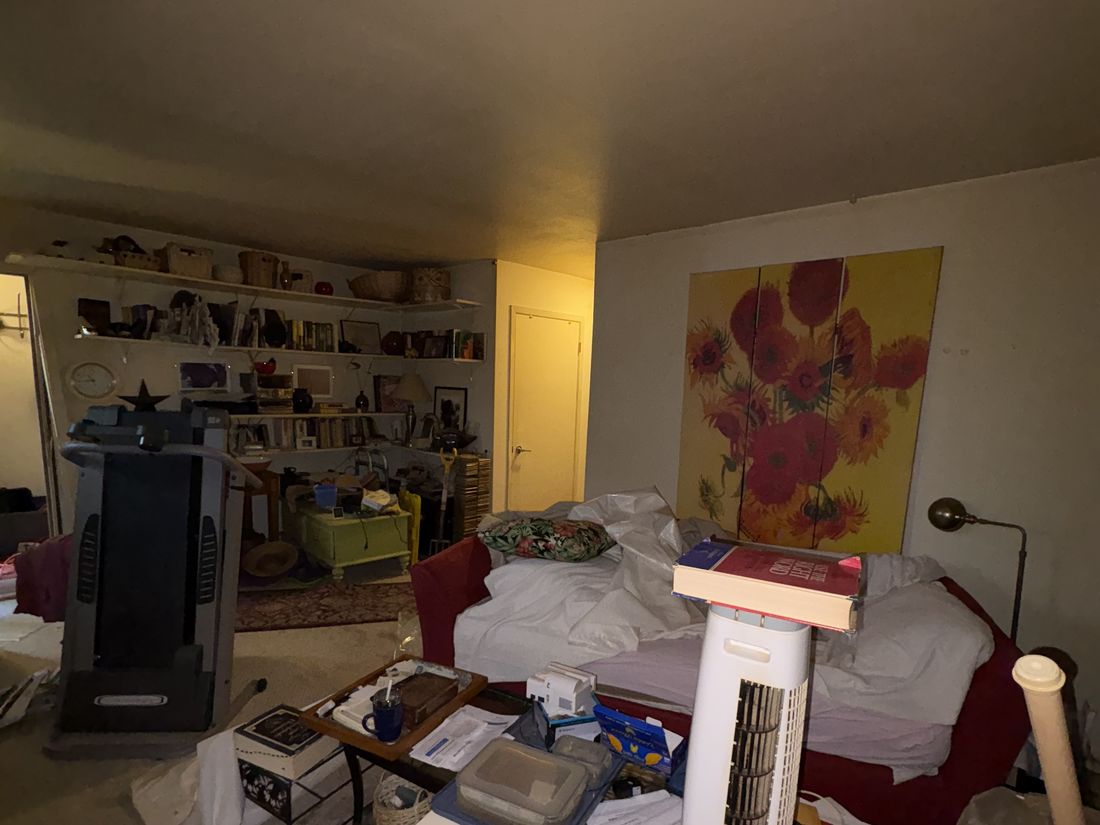
A lot of Milwaukee-area families did the planning right. Mom and Dad met with an estate attorney, signed a revocable living trust, and deeded the house into it so nobody would have to go through probate. Then one of them died, or both did, and a son or daughter got a phone call telling them they are now the successor trustee. The house is still sitting there in Wauwatosa or Greenfield or West Allis, and the question becomes: how do I actually sell it?
The good news is that a house held in a trust is usually easier to sell than a house stuck in probate. There is no court appointment to wait for and no judge to approve the price. But "no probate" does not mean "no rules." Wisconsin's trust code gives the successor trustee the power to sell — and a set of duties that come with it. This guide walks through both, using the actual Wisconsin statutes, so you know what the title company will ask for and where trustees get into trouble.
If the house was deeded into the trust, the trustee sells it — not the heirs, not the estate, and not the court. You sign as trustee, you owe the beneficiaries a fair process, and the money goes into the trust before anyone gets a share. If the house was never actually deeded into the trust, none of this applies and you are likely back in probate.
What a Living Trust Changes — and What It Doesn't
A revocable living trust is a private arrangement. While the person who created it (the settlor) is alive, they usually serve as their own trustee and can change or cancel it at any time. Wisconsin law says that while a trust is revocable, the trustee's duties are owed to the settlor alone (Wis. Stat. § 701.0603(1)).
When the settlor dies, the trust typically becomes irrevocable and the successor trustee named in the document takes over. Three things change for the house at that moment:
- It skips probate. The house is owned by the trust, not by the person who died, so there is nothing for the Milwaukee County Register in Probate to administer. Compare that with the steps in our Wisconsin probate guide.
- The trustee is in charge. The trustee manages the house, pays its bills from trust money, and decides — within the trust's terms — whether to sell it or distribute it.
- The beneficiaries gain rights. Once the trust is irrevocable, the people who will receive the money have a legal right to be kept informed about what the trustee is doing.
What does not change: the mortgage, the property taxes, any liens, and the condition of the house. Those all come with it.
First, Confirm the House Is Actually in the Trust
This is the step families skip, and it is the one that most often derails a sale. Signing a trust document does not move the house into it. Someone has to sign and record a deed conveying the property to the trustee. If that never happened, the house is still titled in your parent's individual name, and the trust has no power over it.
Check the most recent recorded deed with the Register of Deeds in the county where the house sits — Milwaukee, Waukesha, Ozaukee, Washington, Racine or Kenosha. You are looking for a deed to "[name], as trustee of the [name] Revocable Trust" or similar wording. If you find it, you can sell as trustee. If the last deed is still in your parent's own name, the house usually has to pass through probate (often under a "pour-over" will that sends it into the trust afterward), unless it was held jointly with right of survivorship or had a transfer-on-death designation. Our probate guide covers those routes.
Who Has Authority to Sell
Wisconsin gives trustees a broad default power to "acquire or sell property, for cash or on credit, at public or private sale" (Wis. Stat. § 701.0816(2)). Most trust documents repeat or expand that power. Unless the trust says otherwise, you do not need a court's permission and you do not need every beneficiary to sign the purchase agreement.
Two situations deserve a closer read of the document before you list or accept an offer:
- Co-trustees. If two siblings were named together, the trust should say whether both must sign or either can act alone. The title company will ask.
- Specific gifts of the house. If the trust says "the residence goes to my daughter," selling it instead is not a routine trustee decision. That is a conversation for the beneficiaries and a Wisconsin trust attorney.
The Paperwork a Milwaukee Title Company Will Ask For
You generally do not have to hand the buyer or title company your family's entire trust. Wisconsin lets a trustee provide a certification of trust instead (Wis. Stat. § 701.1013). It states that the trust exists and when it was signed, who created it, who the current trustee is, what powers the trustee has, whether the trust is revocable, how co-trustees must sign, and how title is held — plus a statement that the trust has not been revoked or amended in a way that makes any of that wrong.
The certification does not have to disclose who inherits what. A title company can ask for the excerpts of the trust that name you as trustee and give you the power to sell (§ 701.1013(5)), and it is common for them to want those pages. Beyond that, the statute protects people who rely on a certification in good faith, which is why title companies accept them. Expect to provide:
- A certified copy of the death certificate for the settlor (and for any earlier trustee who has died).
- The certification of trust, signed by you as trustee.
- The trust excerpts appointing you and granting the sale power, if requested.
- Your ID, and the deed you will sign — a trustee's deed from you, as trustee, to the buyer.
The title search itself works the same as any sale. Old judgments, contractor liens, back taxes and a water bill that rolled onto the tax roll all still have to be paid out of the proceeds. Our guide to liens on a Milwaukee house explains how each one clears at closing.
Your Duties to the Beneficiaries
Being a trustee is a job with legal duties, not just a signature. Two matter most when the asset is a house.
Keeping them informed
Within a reasonable time after the trust becomes irrevocable, the trustee must notify the qualified beneficiaries of the trust's existence, the settlor's identity, and their right to request a copy of the trust and information about its administration (Wis. Stat. § 701.0813(2)). The trustee also has to send a report of trust property, receipts and disbursements at least annually and when the trust ends (§ 701.0813(3)). In practice, telling your siblings about offers before you sign one heads off most disputes.
No self-dealing
A trustee must administer the trust "solely in the interests of the beneficiaries" (Wis. Stat. § 701.0802(1)). If you buy the house yourself, or sell it to your spouse, your children, your siblings or a company you have an interest in, the law presumes a conflict, and an affected beneficiary can void the sale — unless the trust authorized it, a court approved it, or the beneficiaries consented (§ 701.0802(2)–(3)). If a family member wants the house, get written consent from every beneficiary and a trust attorney's help before closing.
Debts, Creditor Claims and the Four-Month Notice
A revocable trust does not shield the house from the settlor's debts. After the settlor's death, property of a trust that was revocable is subject to the settlor's creditors, estate administration costs and funeral expenses to the extent the probate estate cannot cover them (Wis. Stat. § 701.0505(1)(a)3.).
Wisconsin gives the trustee a way to put a deadline on that. Under Wis. Stat. § 701.0508, the trustee can publish a legal notice in the county where the settlor lived; unknown creditors then generally have four months from the first publication to file. A creditor the trustee notifies directly gets 30 days from the notice or the published deadline. Some claims are not cut off by those deadlines — including certain tax claims, funeral and administrative expenses, and the state's Medicaid estate recovery claims.
What that means for the sale: you can usually sell the house while the claim period runs, but be careful about distributing all the money to beneficiaries before it ends. Many trustees hold back a reserve from the proceeds until the deadline passes.
If Someone Might Contest the Trust
A challenge to a trust that was revocable at death must be brought within one year of the death, or four months after the trustee sends that person a copy of the trust and a notice of the time limit, whichever is earlier (Wis. Stat. § 701.0604(1)). The trustee can generally proceed with distributions after the death unless the trustee knows of a pending contest, or a potential contestant has given notice and files within 60 days (§ 701.0604(2)). If a sibling is threatening a challenge, talk to an attorney before closing; a sale can still make sense, but holding the proceeds in trust until things settle may be the safer course.
Transfer Fee, Taxes and What You Actually Net
A sale by a trustee to a buyer is an ordinary conveyance. Wisconsin's real estate transfer fee applies at 30 cents per $100 of value — $3 per $1,000 — and it is imposed on the grantor, which here is the trust (Wis. Stat. § 77.22(1)). On a $240,000 sale that is $720. The fee does not apply to a trustee's transfer to a beneficiary without actual consideration (§ 77.25(9)), which matters if you choose to deed the house to a beneficiary instead of selling it.
On income tax, property that passes at death through a revocable trust generally gets the same step-up in cost basis to its value at the date of death as an inherited house outside a trust. If you sell within a reasonable time for about that value, there is usually little or no taxable gain. Confirm the details with the trust's CPA — the trust may need its own tax return for the year of sale.
Comparing Your Paths
| Path | Best When | The Catch |
|---|---|---|
| List with an agent | The house shows well, the beneficiaries agree, and nobody needs the money quickly | Months of utilities, insurance and taxes paid by the trust; cleanout and repairs before listing |
| Sell for cash as-is | An out-of-town trustee, a house full of belongings, repairs nobody wants to fund | The price reflects condition; compare it against what the trust would net after listing costs |
| Distribute the house to a beneficiary | One beneficiary wants to live there or keep it as a rental | Equalizing the other shares; the trust's terms and every beneficiary need to line up |
| Sell to a family member | A relative wants to buy at a fair price | Presumed conflict under § 701.0802 — written beneficiary consent and legal advice first |
Our compare-your-options page lays out a cash sale and a traditional listing side by side, and our breakdown of selling as-is versus renovating first runs the repair math honestly.
How a Cash Sale Fits a Trust Administration
Most trustees are doing this job on top of their own jobs, and often from another city. That is where a direct sale can help:
- One signature, on your schedule. We work from the certification of trust and close through a local title company. A trustee who lives out of state does not have to fly in — ask the title company about mail-away signing.
- No cleanout. Take the photos and heirlooms that matter and leave the rest. We bought a Cudahy house with a basement packed with decades of tools exactly as it sat.
- Paperwork that stalls. Estates are not always clean. On a West Allis estate duplex with a clouded title, we coordinated with the heirs and counsel until the title could clear.
- A transparent number. A trustee has to be able to explain the price to the beneficiaries. Here is exactly how cash offers are calculated, so you can check ours.
Before you accept any cash offer, run the buyer through our checklist for telling a legitimate cash buyer from a bad one. A good buyer will be comfortable with your beneficiaries seeing the offer. To get a written number you can set beside an agent's listing estimate, see how we work as cash home buyers in Milwaukee; the offer is free, and you can share it with every beneficiary before deciding.
If you are serving as trustee for a house anywhere in Milwaukee or the suburbs, including Wauwatosa and Waukesha, our inherited house page and FAQ page cover the basics, and you can reach us directly at (414) 400-6116.
This article is general information about Wisconsin trust and property law, not legal or tax advice. Your authority and duties as trustee depend on the terms of your trust — talk to a Wisconsin trust attorney and a CPA about your situation.