When Probate Stalls
and Nobody Can Move
The Situation
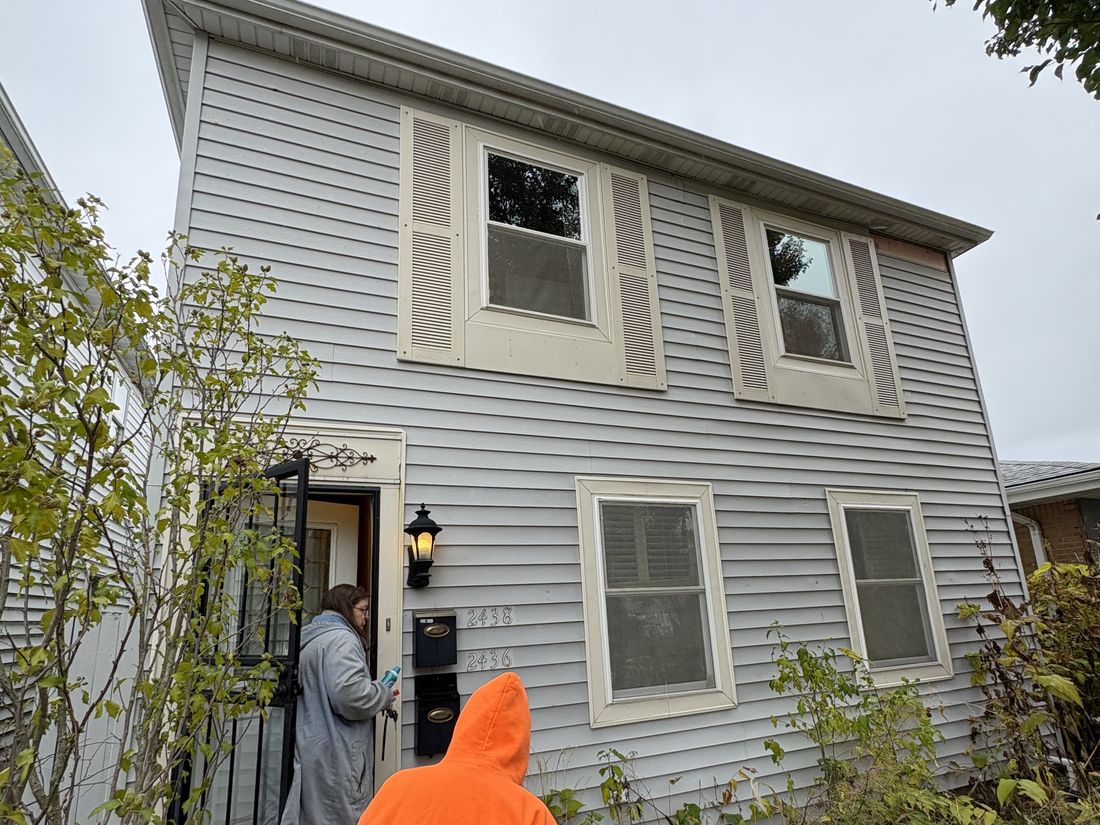
This West Allis duplex came to us as an estate property. The original homeowner had died in the house, and it had then sat undisturbed for months while the family tried to work out what to do.
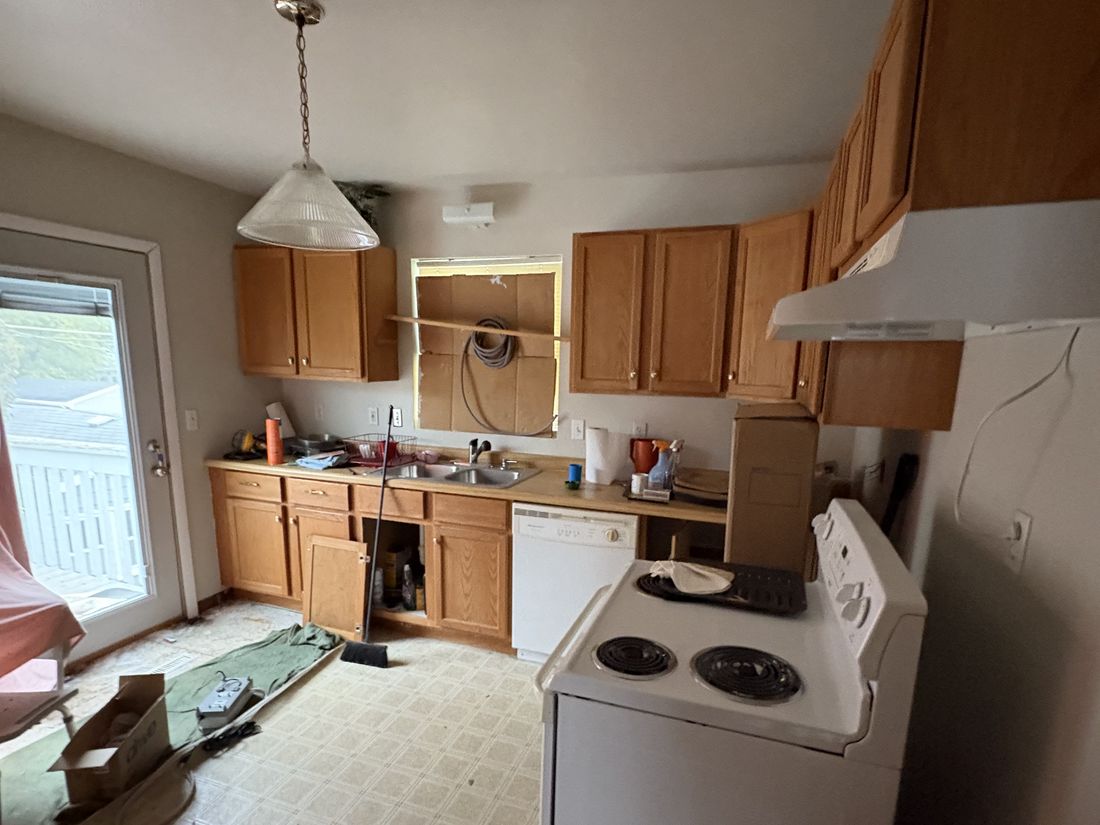
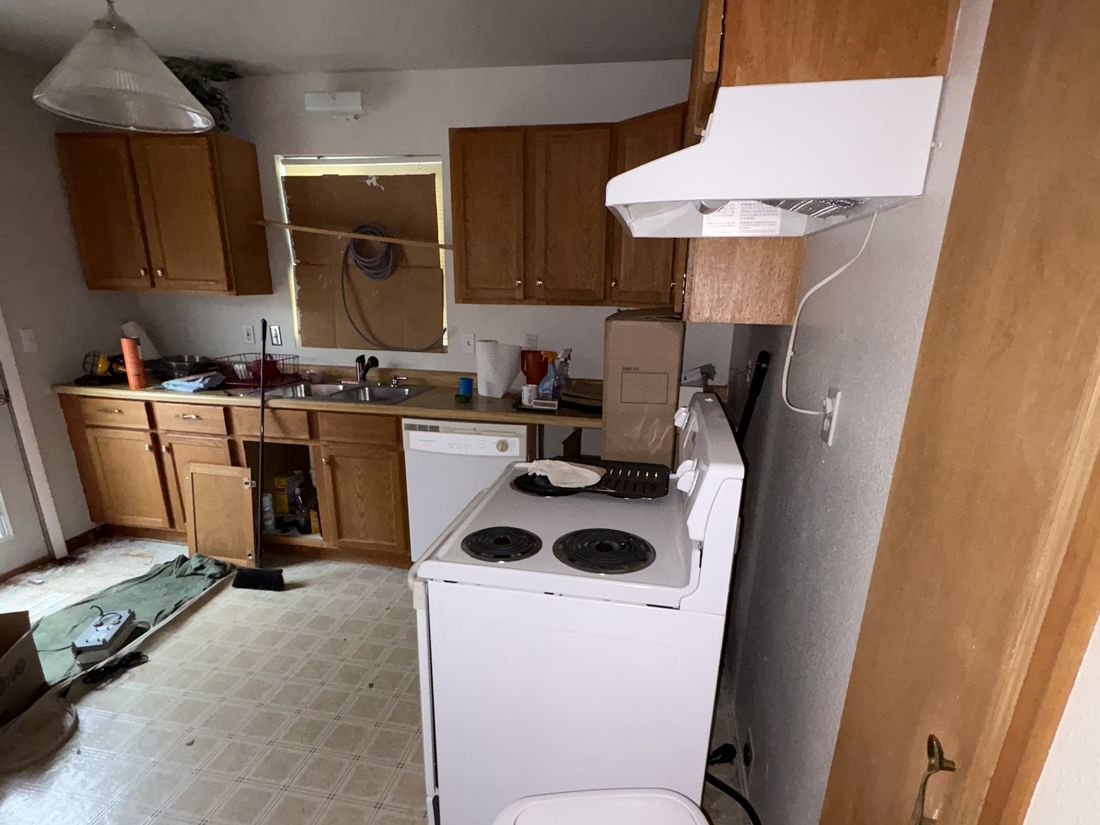
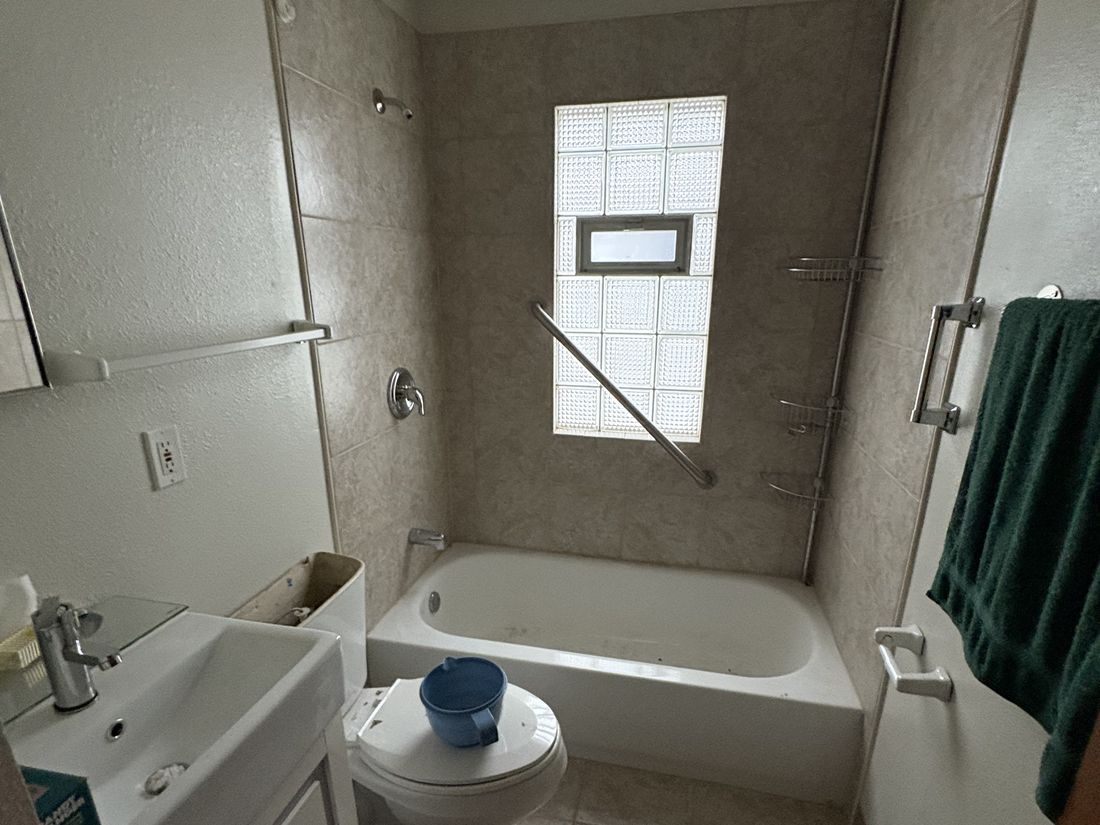
We will not dwell on the condition that resulted, beyond saying what is professionally relevant: the property required specialist remediation before anyone could work in it normally, and that remediation extended to a complete interior strip — flooring, cabinetry, trim and doors all removed down to the structure. This is not a cleaning job. It is licensed, specialised work with its own protocols and costs.
For the family, this was the second problem. The first was that they could not sell the house even if they had wanted to.
The Title Was Heavily Clouded
Alongside the physical condition, the property's title carried significant defects — the kind that stop a transaction before it starts, because no title insurer will write a policy and no lender will fund against them.
And the mechanism that normally resolves this — probate — had stalled.
A stalled probate is a particular kind of trap. The estate cannot convey clear title until the court process advances. The process does not advance on its own; it requires someone to actively push it. And the heirs, who are usually grieving and frequently scattered across different cities, often do not know what is stuck or who is supposed to unstick it. Months pass. Meanwhile taxes, insurance and utilities continue on a house nobody can use, sell or even safely enter.
It is rarely one big obstacle. It is a chain of small ones, each waiting on the last: a document that was never filed, a court date nobody scheduled, an heir who has not signed, a certificate that must be requested from an agency with its own timeline. Any single link can hold the whole thing indefinitely, because no one person owns the process. The house, meanwhile, deteriorates.
What We Actually Did
This is the part that distinguishes a real purchase from a wholesaler tying up a property and hoping. We did the administrative work.
- Coordinated directly with the heirs. Multiple family members, all needing to understand and agree on what was happening.
- Restarted the stalled probate by helping align the estate with more proactive legal counsel — the existing arrangement was not moving, and that had to change before anything else could.
- Tracked down the required vital certificates, including records that had to be obtained from the Social Security Administration. This is unglamorous, slow work, and it is exactly the sort of thing that stalls families indefinitely because nobody knows where to begin.
- Cleared the path to a legal closing, resolving the title defects so the conveyance could actually happen.
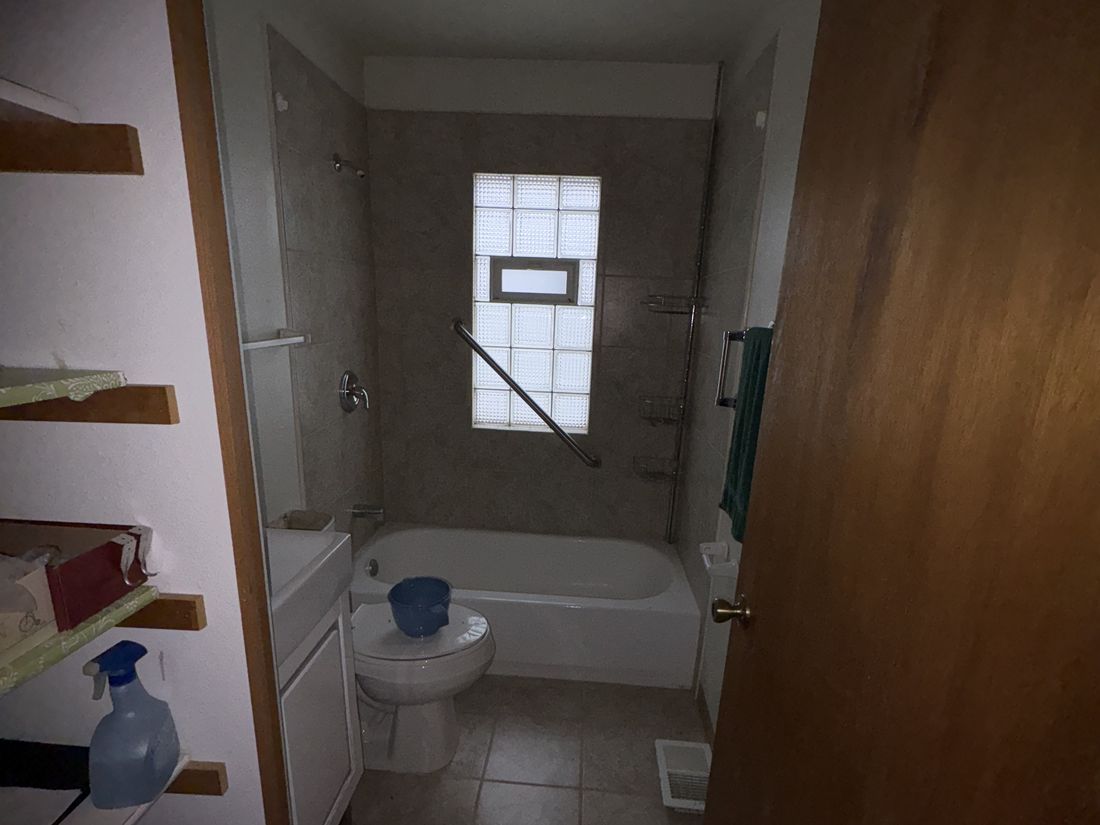
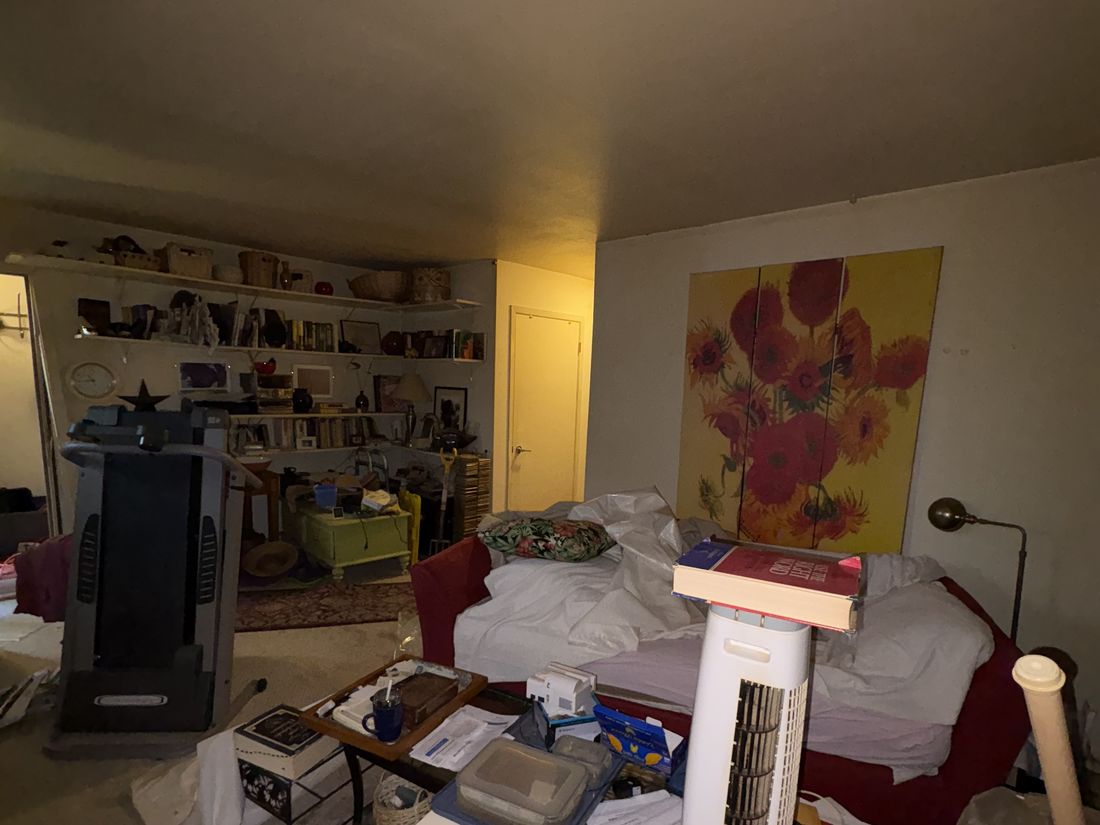
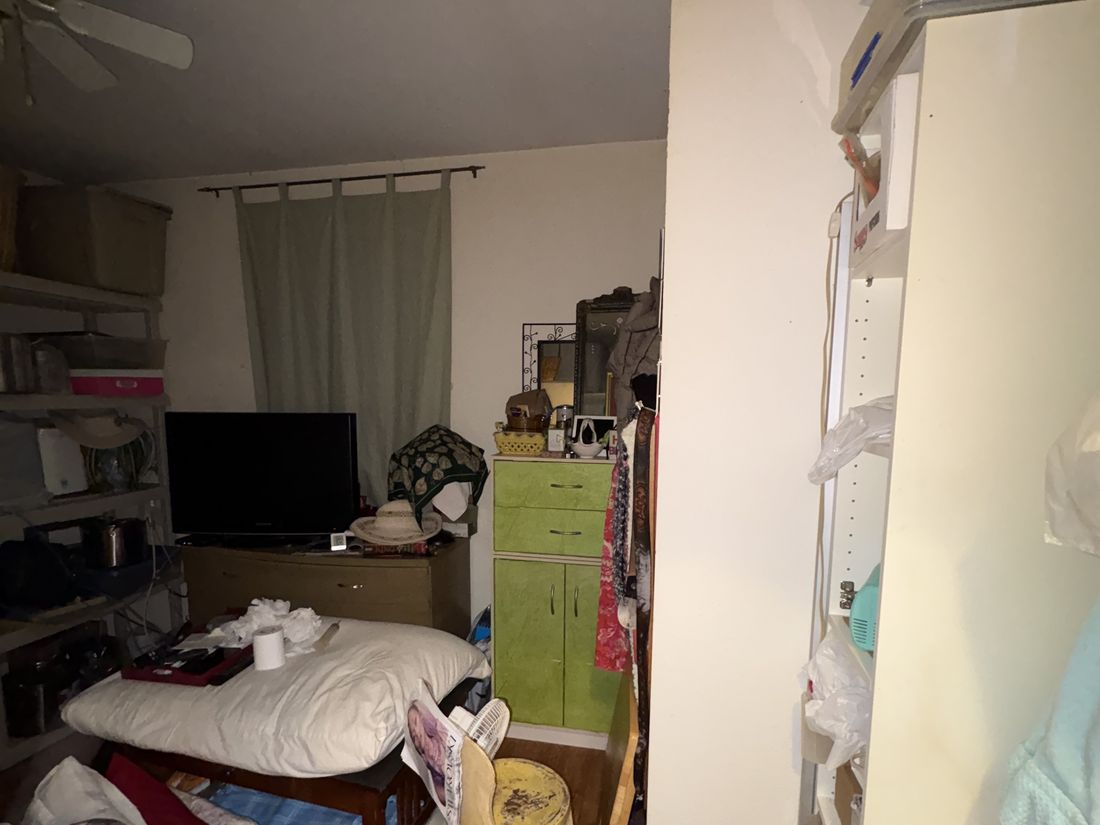
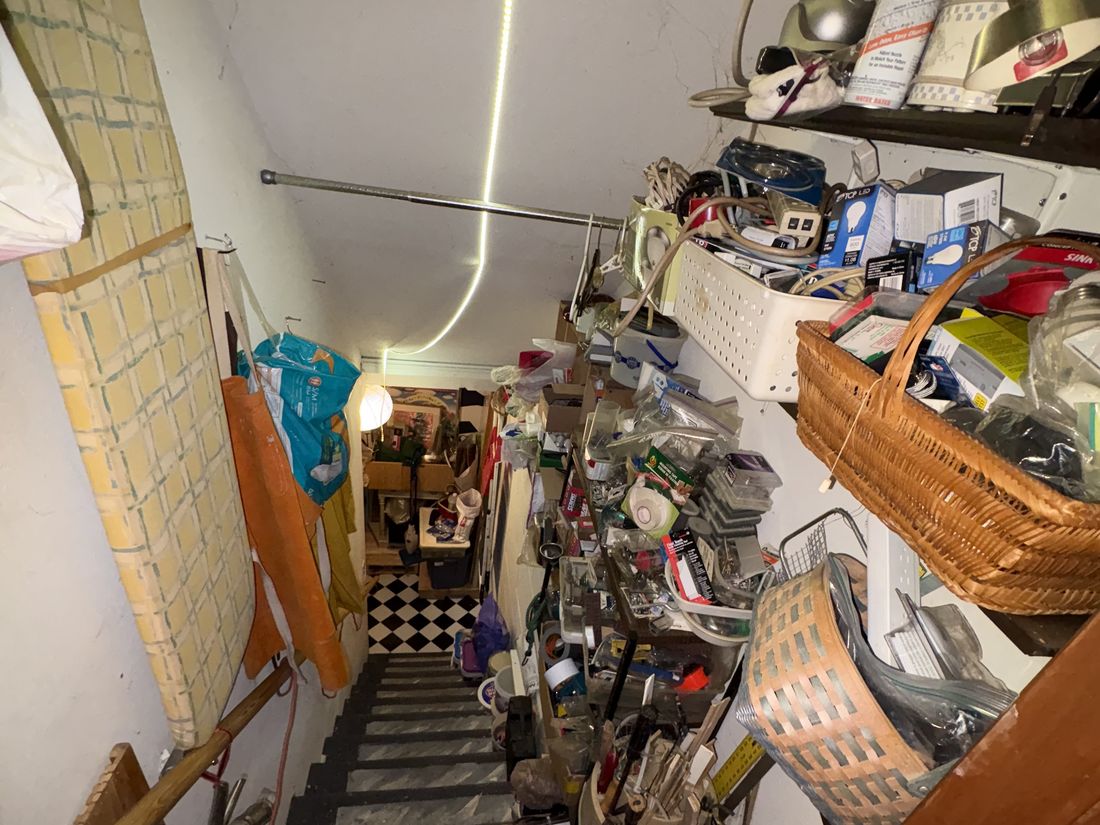
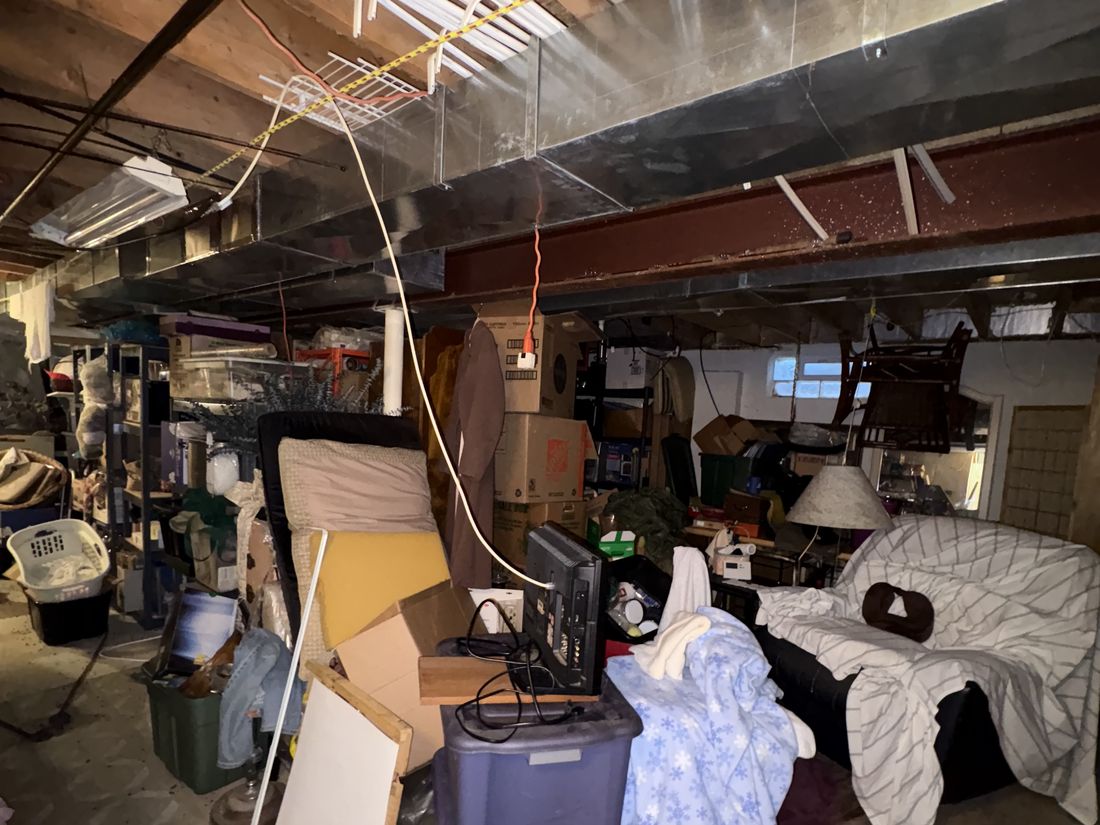
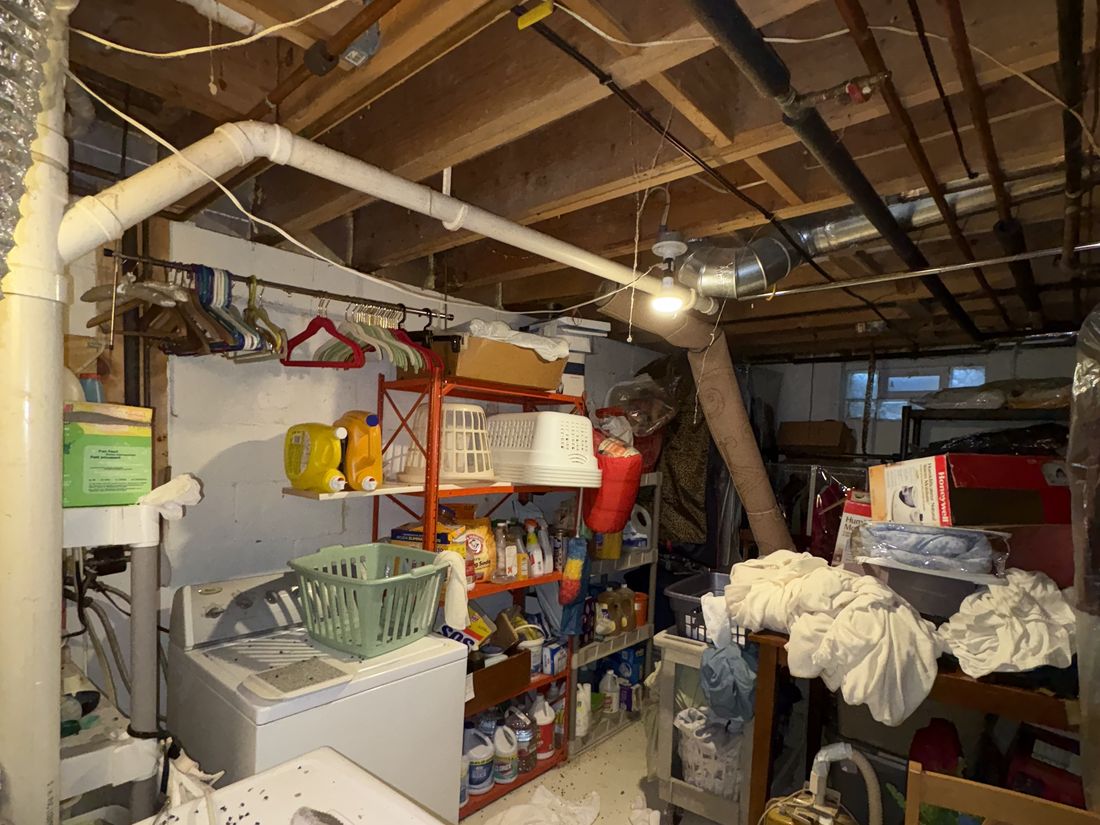
- Absorbed the remediation and the clear-out entirely. The photographs show a property still holding a lifetime of possessions. None of that was the family's problem to solve.
The family walked away with a cash sale and none of the burdens — legal, physical or financial — that had been holding them in place.
Selling an Inherited Property in Wisconsin
If you are dealing with a house after a death in the family, here is a practical map of the terrain.
You usually cannot sell until the estate has authority to convey. That normally means probate, unless the property was held in a trust, in joint tenancy with right of survivorship, or under a transfer-on-death deed. Wisconsin recognises transfer-on-death deeds, and where one exists it can avoid probate entirely — worth checking before assuming the worst.
Probate takes as long as someone makes it take. The statutory process has its own pace, but the largest delays are almost always human: unfiled documents, unsigned consents, an attorney who is not pushing. If your estate has been "in probate" for a year with little visible progress, that is worth questioning rather than accepting.
The house costs money the entire time. Property taxes, insurance — often at a higher vacant rate, if your insurer will cover it at all — utilities, and enough heat through a Wisconsin winter to prevent the pipes freezing. These come out of the estate, which means out of what the heirs eventually receive.
Disagreement among heirs is normal. One wants to sell, one wants to keep it, one wants to rent it out, and one cannot be reached. A direct sale with a single clear number is often easier for a family to agree on than a listing where the price is a moving target for months.
Our guide to selling an inherited house through probate in Milwaukee goes through the process step by step. If taxes have gone unpaid during the delay, the Milwaukee County tax foreclosure guide explains how quickly that escalates and what the county's timeline actually is.
Situations Like This One
We buy inherited and estate property across Milwaukee County, including houses in probate, properties with tax liens and title defects, buildings requiring heavy remediation and repair, and duplexes and rentals. If the estate is facing a foreclosure action, our walkthrough of the Wisconsin foreclosure process sets out the timeline. If you want to understand how we arrive at a number on a property in this condition, read how cash offers are calculated — and if you are weighing us against a listing, our honest comparison and our piece on how to tell a legitimate cash buyer from a bad one are both worth ten minutes.
Where We Buy in Southeast Wisconsin
We buy estate and probate property throughout West Allis, Milwaukee, Wauwatosa, Greenfield, Cudahy, Oak Creek, Franklin, New Berlin, Brookfield, Waukesha, Menomonee Falls, Mequon, West Bend, Racine and Kenosha. See all areas we serve, or read how our process works.
Probate & Estate Property in Wisconsin — Common Questions
Can I sell my parents' house before probate is finished?
Usually the estate needs authority to convey before a sale can close, which generally means the personal representative has been appointed and the court process has reached the right stage. There are exceptions worth checking: property held in a trust, in joint tenancy with right of survivorship, or subject to a Wisconsin transfer-on-death deed can often pass outside probate entirely. We regularly go under contract while probate is still progressing and close once the estate can convey.
Our probate has stalled. Is there anything we can do?
Almost always, yes — and stalled probates are more often an attention problem than a legal one. Common causes are documents never filed, consents never signed by an heir, a hearing nobody scheduled, or counsel who is simply not pushing. On this West Allis estate the process had stopped, and part of what unlocked it was helping the family move to more proactive legal representation. If your estate has been open for a year with little progress, ask directly what specifically is outstanding and who is responsible for it.
What is a clouded title and how does it get resolved?
A clouded title is one carrying defects that prevent clear ownership transferring — unreleased mortgages, judgments, unpaid taxes, missing heirs, or gaps in the recorded chain of ownership. No title insurer will issue a policy over them, so no lender will fund a purchase. Resolving them means identifying every defect and clearing each one, which may involve the courts, creditors, government agencies or family members. It is slow, procedural work, and we take it on as part of buying.
Do we have to clean out the house first?
No, and for most families this is the single greatest relief. This property still held its entire contents — every room and the full basement, as the photographs show — and clearing it was our responsibility, not the family's. Sorting a parent's belongings is emotionally exhausting work under normal circumstances. Take whatever matters to you and leave the rest.
What if the property needs specialist remediation?
We buy properties requiring biohazard and specialist remediation, and we arrange the licensed contractors ourselves. This is not work a family should attempt or coordinate, and it is not work a typical retail buyer will take on. It is priced into our offer, and the family is not asked to fund it, arrange it, or be present for it.
What happens if the heirs disagree about selling?
This is common and it is one of the more difficult parts of an estate. Practically, the personal representative usually holds authority to act for the estate, but a sale goes far more smoothly with the heirs aligned. We are used to communicating with several family members at once, and in our experience a single firm number is often easier for a family to agree on than a listing price that moves for months. We would rather everyone understand the deal than push it through over an objection.
Who pays the taxes and utilities while probate drags on?
The estate does, which ultimately means the heirs do — every month reduces what is eventually distributed. This is why delay is so costly: property taxes, insurance at a vacant rate, utilities and enough winter heat to prevent frozen pipes all accumulate on a house nobody is using. If taxes have gone unpaid, the county's process has its own timeline; our Milwaukee County tax foreclosure guide explains it.
Does a death in the home have to be disclosed in Wisconsin?
Wisconsin's real estate condition report focuses on the physical condition of the property and known defects rather than on stigma. Where a death has caused a physical condition — contamination requiring remediation, for example — that is a condition issue and is treated accordingly. Because the specifics depend on the circumstances, this is a question for your attorney or agent rather than for us. When we buy directly, the disclosure burden on the family is substantially reduced because there is no financed retail buyer to satisfy.
How long does the whole process take?
Our offer takes about 24 hours. After that the timeline is set almost entirely by the estate — how quickly probate can advance and title defects can be cleared. That can be a few weeks or several months depending on what is outstanding. We will tell you honestly what we think it will take rather than promising a date we cannot control, and we will do the chasing rather than leaving it with the family.
Do you buy estate duplexes and multi-family in West Allis?
Yes. West Allis is one of our most active markets and its housing stock is heavily two-unit. Estate duplexes are a property type we buy regularly, including vacant buildings, properties with tenants in one unit, and buildings needing full remediation and clear-out.