Good Bones,
A Roof Losing Shingles
The Situation
This one was straightforward, and we include it precisely because not every sale is a crisis. The owner was relocating out of state. He was easygoing about the whole thing, under no particular duress, and simply did not want to spend the next several months managing a home sale from a distance.
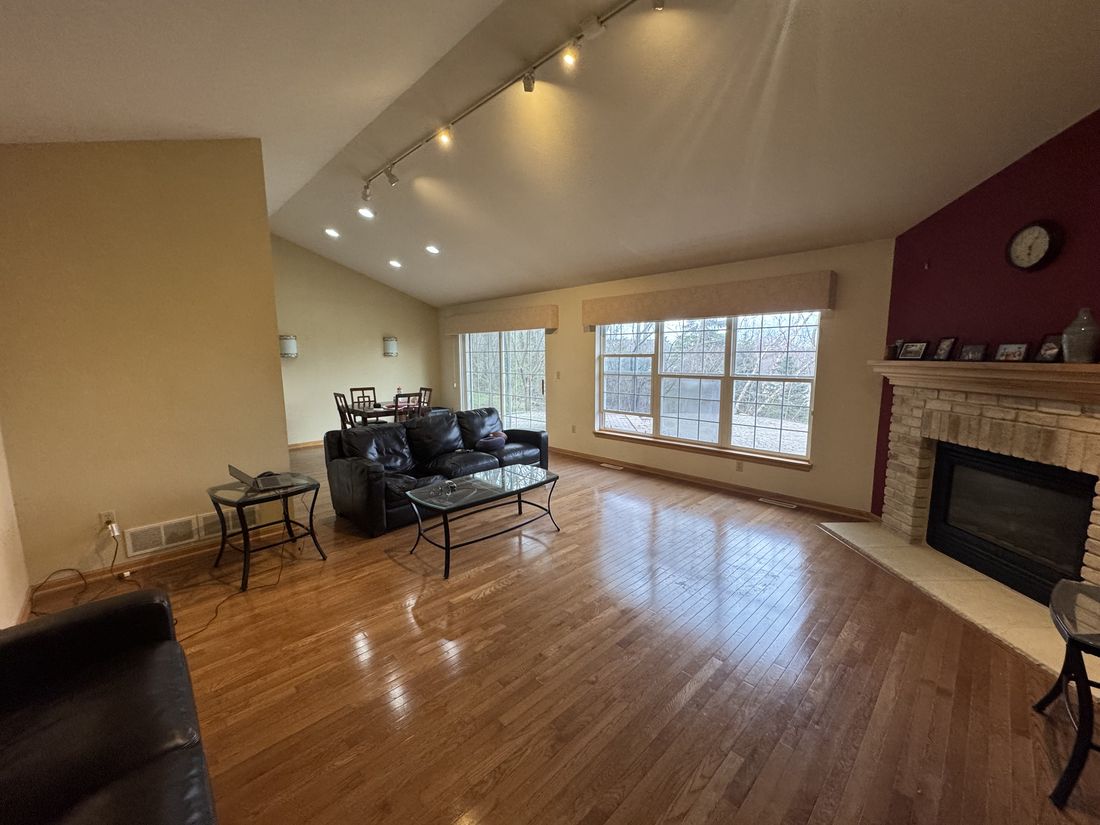
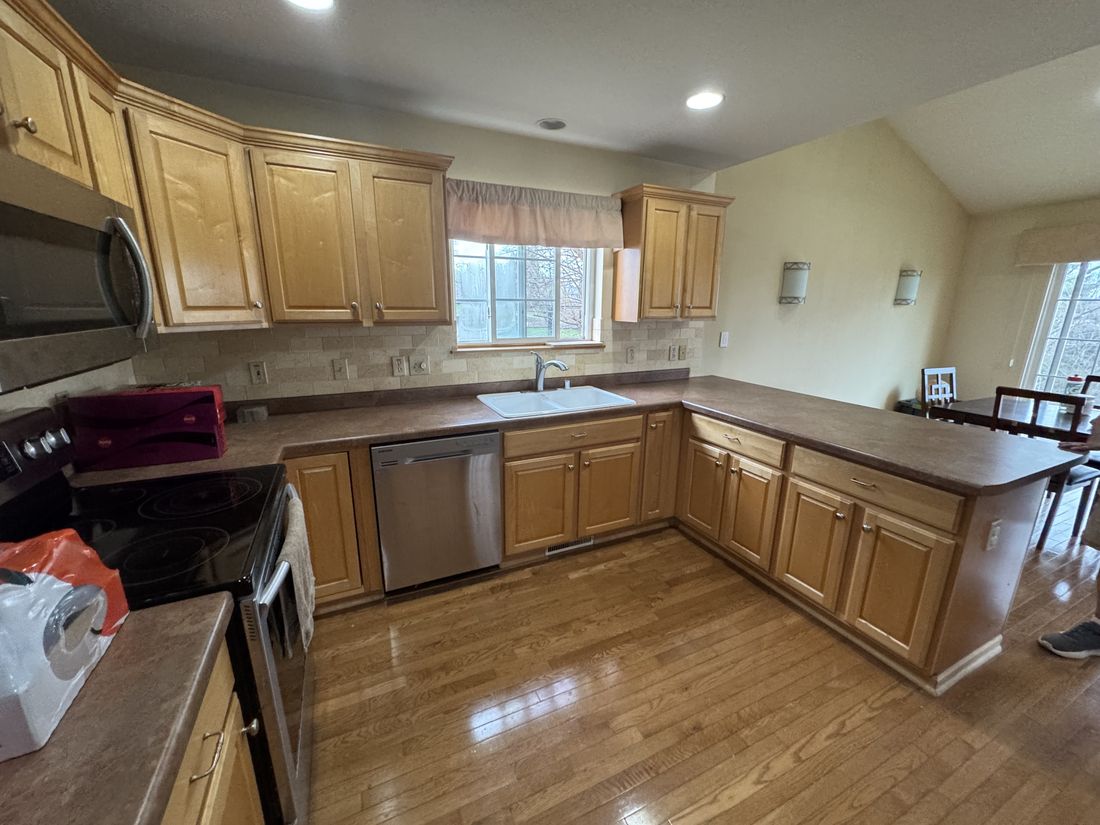
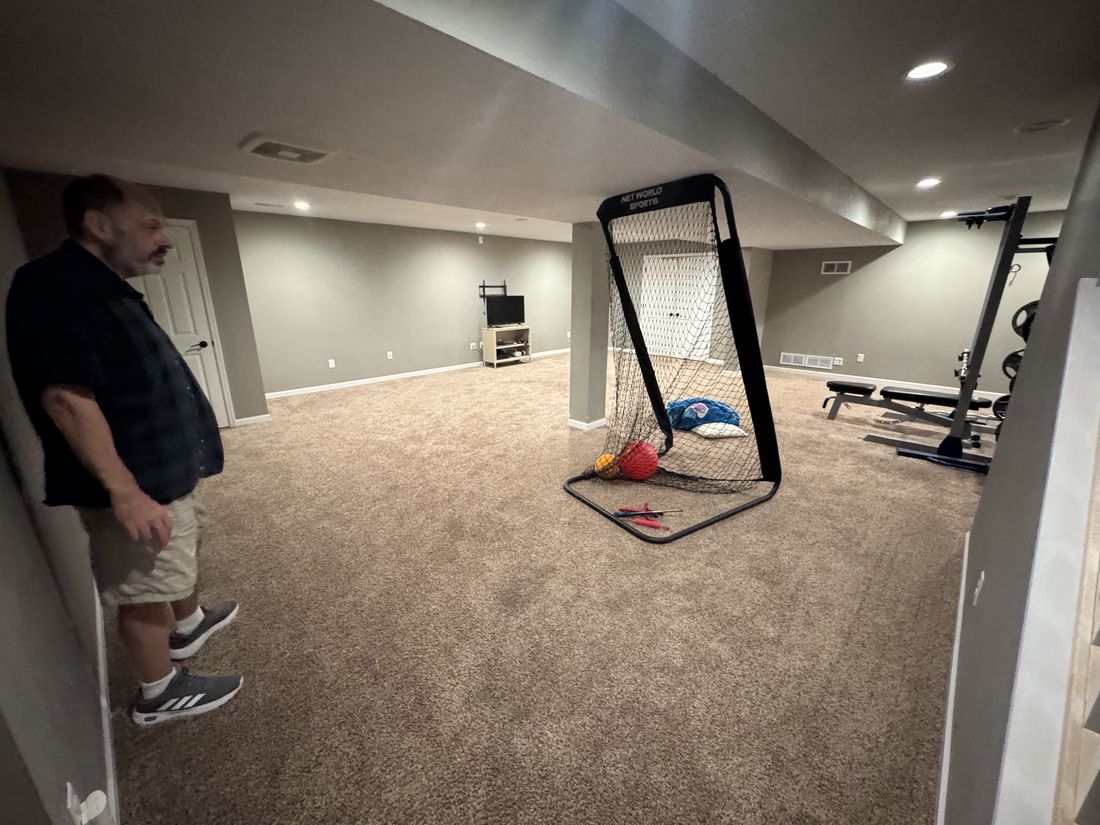
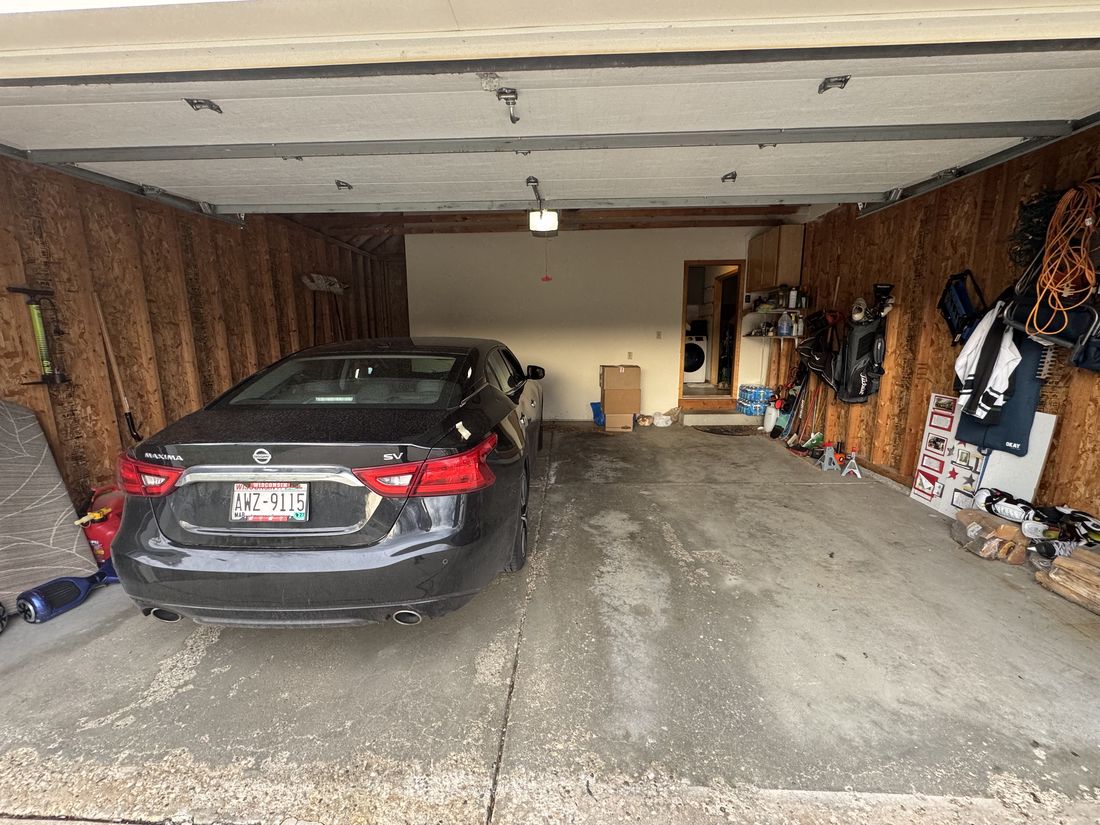
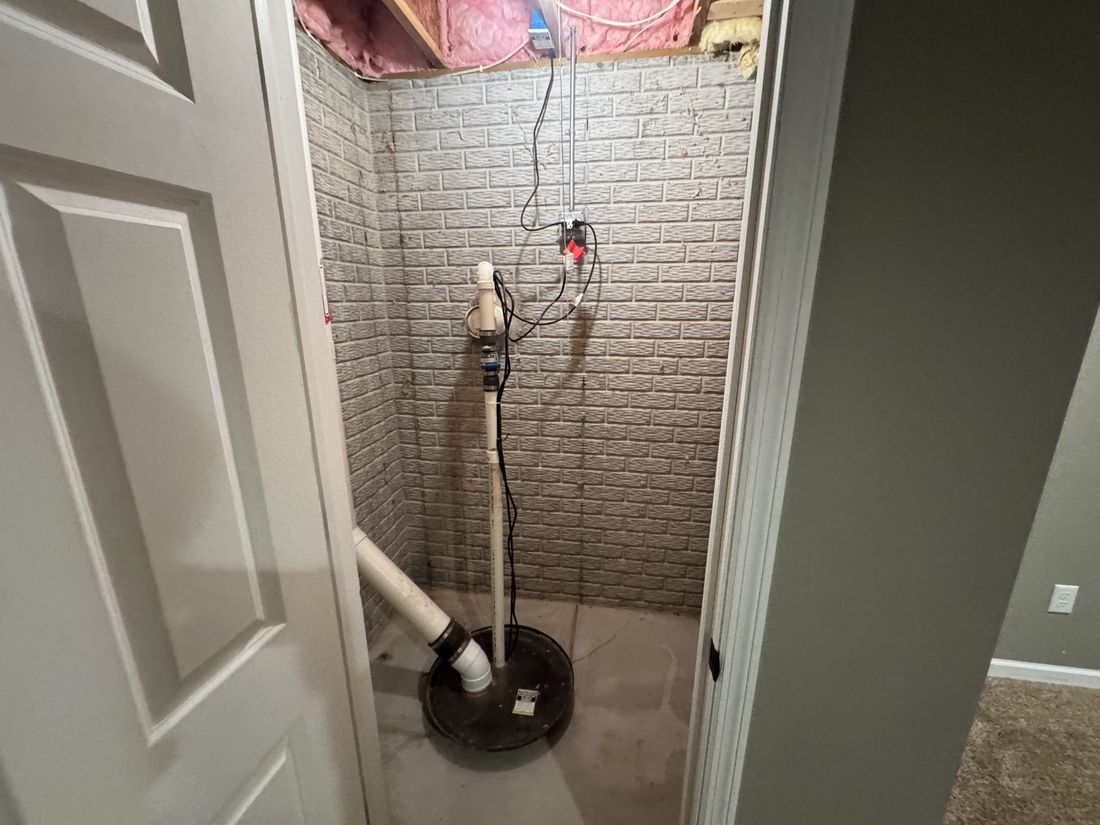
The house was genuinely good. Vaulted living space with a fireplace, a proper kitchen with an island, a finished lower level, an attached garage. Real equity built up over the years. On paper, an easy listing.
Two things complicated that.
The Roof
The roof was shedding shingles. Not weathered — actively losing material.
That single detail changes how a house sells more than almost anything else visible from the street. A buyer pulling up to a viewing sees it before they reach the door, and it immediately reframes everything they look at afterwards. Every other flaw stops being cosmetic and starts being evidence.
It also creates a financing problem. Lenders want a roof with meaningful remaining service life, and government-backed loans apply firmer standards. A roof visibly at the end of its life may need replacing before certain loans will fund — which puts the seller in the position of buying a new roof for a house they are leaving, for a buyer who may still fail underwriting.
The 1999 Interior
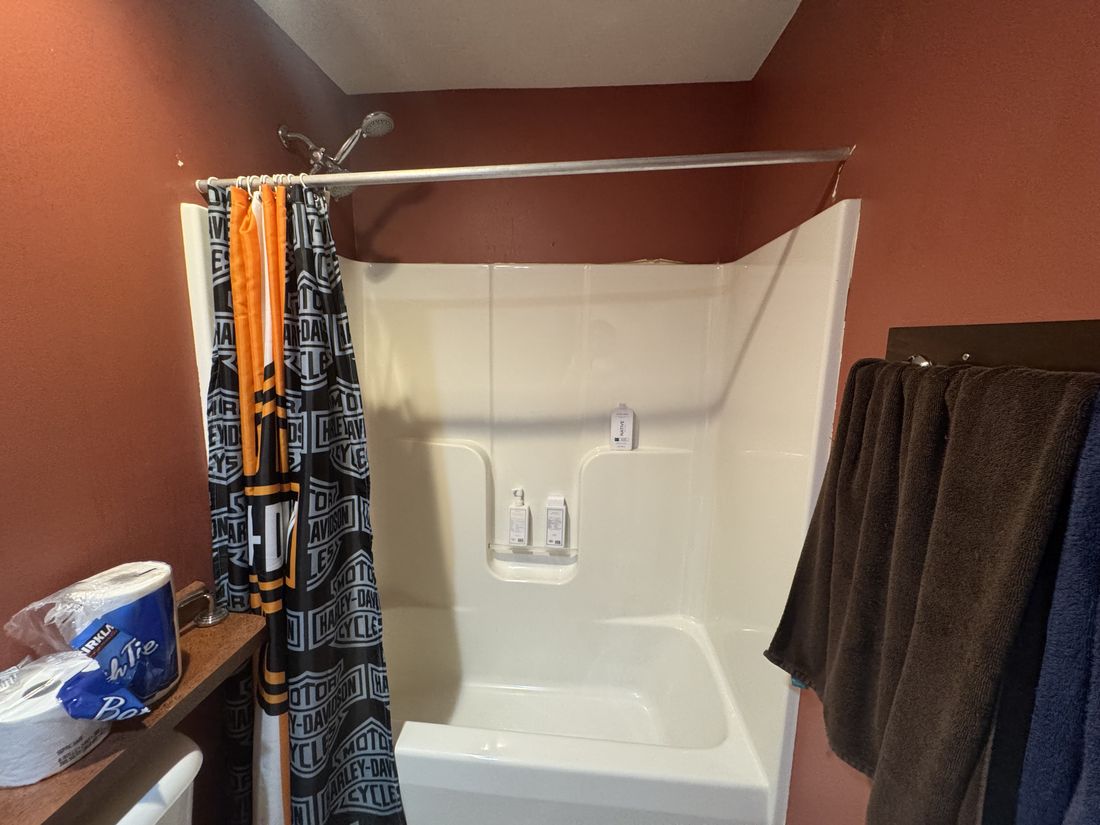
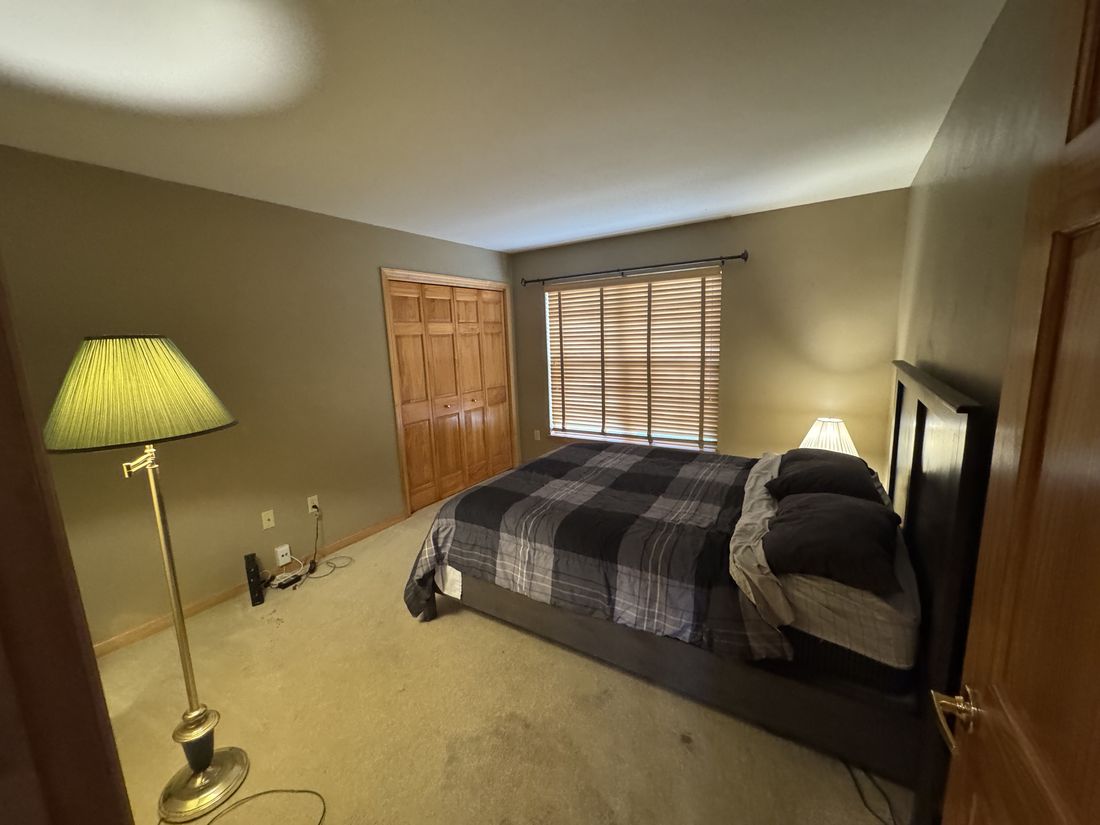
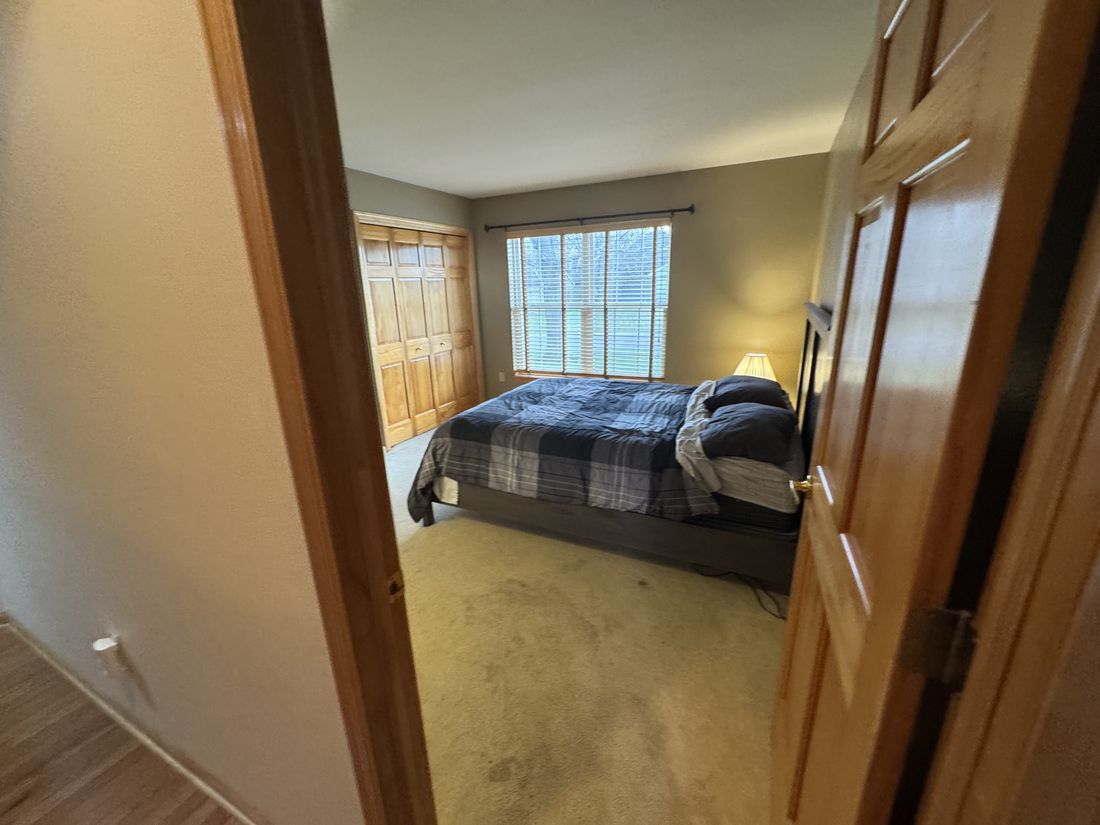
The second issue was that the finishes were original and dated to the property's construction — the oak cabinetry, the bathroom fittings, the carpet, the colour palette. All of it sound, none of it current.
This is a softer problem than the roof but it compounds it. A buyer who has already been unsettled by the roofline walks into a house that also reads as untouched since the late nineties, and starts mentally adding up work.
The instinct is to replace the roof, then list. Consider what that actually involves: you pay for a full roof up front, on a house you are leaving, then wait for the work to schedule and complete, then list, then wait for a buyer, then survive their inspection and appraisal. You have converted a known deduction into a large cash outlay plus months of delay — and roof replacement does not return its full cost at resale. It is often the right call if you are staying. It is frequently the wrong one if you are going.
What He Was Trying to Avoid
He was explicit, and his list will be familiar to anyone who has sold a house:
- Paying for an expensive roof replacement on a property he was leaving
- Open houses and a stream of showings while trying to organise a move
- Losing a meaningful share of the proceeds to commissions
- An indefinite timeline he could not plan a relocation around
How We Structured It
We used a novation arrangement rather than a straight as-is discount purchase. Structures like this exist to bridge exactly this gap — where a seller's expectation of value reflects the house they know, while the market's response reflects the roof a buyer sees first.
The practical effect for him was simple. We agreed to take the property as it stood, absorbing the roof replacement and the cosmetic updating ourselves, and he got a fast, certain exit with no repair spending, no showings, and no commission taken out of his proceeds.
We are describing the shape rather than the paperwork, because the right structure depends on the property, the equity position and the seller's circumstances. What matters is that a direct sale is not one fixed formula — there is usually more than one way to arrange it, and the differences are worth understanding before you commit to any of them.
Should You Replace the Roof Before Selling?
Our honest view, from having bought a lot of houses with bad roofs:
Replace it if you are staying for a while and the roof is genuinely failing; or the roof is the only significant problem, the rest of the house is current, and you have cash available and time to wait.
Don't replace it if you are moving imminently; or the house also needs cosmetic updating (you will not be paid for a new roof on a dated house); or you would have to borrow to fund it; or you need certainty of timing more than you need the highest possible number.
This owner was in the second category on nearly every count. Our breakdown of selling as-is versus renovating first works through the arithmetic in more detail, and how cash offers are calculated shows exactly how a deduction like a roof flows into a number.
Selling From Out of State
Relocating before selling is common, and Wisconsin makes it reasonably manageable: closings run through a title company rather than requiring attorneys on both sides, and remote signing is routine. You do not need to fly back. With a direct sale there are no showings to coordinate, no lockbox access to arrange, and no repair work to supervise from a distance.
What does need care is anything requiring physical presence — utilities transfer, mail forwarding, and keeping the property heated and monitored through a Wisconsin winter if it will sit empty. An unoccupied house with the heat off is one frozen pipe away from a very expensive problem, and many insurers restrict coverage once a property is classed as vacant.
Situations We Handle Like This One
We buy from people relocating out of state, houses needing a roof or other major work, owners downsizing, inherited property, rentals and duplexes, and homes carrying tax liens. If you are comparing options, read our honest comparison against listing with an agent and our guide to telling a legitimate cash buyer from a bad one. For current pricing, see the 2026 Milwaukee market outlook.
Where We Buy in Southeast Wisconsin
Germantown sits in Washington County, just north-west of the Milwaukee metro. We buy there and across Milwaukee, West Allis, Wauwatosa, Greenfield, Cudahy, Oak Creek, Franklin, New Berlin, Brookfield, Waukesha, Menomonee Falls, Mequon, West Bend, Racine and Kenosha. See all areas we serve, or read how the process works.
Aged Roofs & Selling From Out of State — Common Questions
Should I replace the roof before selling my house?
Usually not, if you are moving soon. Replacing it means paying for a full roof up front on a house you are leaving, waiting for the work to schedule and complete, then still facing a listing period, a buyer's inspection and an appraisal. Roof replacement does not return its full cost at resale, and on a house that also needs cosmetic updating you are very unlikely to recover it. If you are staying put, or the roof is the only real issue and the rest of the house is current, replacing it can make sense.
Will a lender approve a house with a failing roof?
Often not without conditions. Lenders generally want a roof with meaningful remaining service life, and government-backed loans apply firmer standards — an appraiser can require repair or replacement before the loan will fund. That is how sellers end up paying for a roof mid-transaction for a buyer who might still fail underwriting for an unrelated reason. A cash purchase removes the lender, and with it the condition requirement.
What is a novation agreement in a home sale?
Broadly, it is an arrangement that substitutes new terms or a new party into an existing agreement with everyone's consent. In practice it is one of several structures a direct buyer may use to bridge the gap between what a seller believes their house is worth and what its condition will command on the open market. The right structure depends on the property, the equity position and your circumstances — and any buyer proposing one should be willing to walk you through exactly how it works and how you get paid before you sign.
Do dated finishes really cost me that much?
They cost more when combined with something else. On their own, dated but sound finishes attract buyers who will price in updating. Combined with a visible problem like a failing roof, they compound — a buyer who is already uneasy walks in and starts totalling up work. This house had good bones, a genuinely nice vaulted living space and a finished lower level, but a roof shedding shingles reframes everything a buyer sees afterwards.
Can I sell my Wisconsin house after I've already moved away?
Yes, and it is straightforward. Wisconsin closings are handled through a title company rather than requiring attorneys on both sides, and remote signing is routine. With a direct sale there are also no showings to coordinate and no repairs to supervise from a distance. You will need to keep utilities on and the property heated if it sits empty through winter, and you should tell your insurer it is vacant — many policies restrict coverage once it is.
How do I avoid paying realtor commission?
Selling directly to a buyer removes the commission because there is no agent on either side. That said, comparing a direct sale to a listing purely on commission is misleading — the honest comparison is your net proceeds after commission, seller closing costs, repairs, post-inspection concessions and months of carrying costs, against a firm cash figure with none of those. Sometimes the listing still wins. Our comparison page sets both out.
What if my house has equity but needs work?
That is a strong position and it gives you options. Equity means you are not forced into anything, so you can genuinely weigh listing against a direct sale rather than taking whatever is available. Ask any buyer to show you their arithmetic: what they think the house is worth repaired, what the work costs, and what margin they are taking. If those numbers do not hold up, list it.
Do I need to fix the drywall and cosmetic damage first?
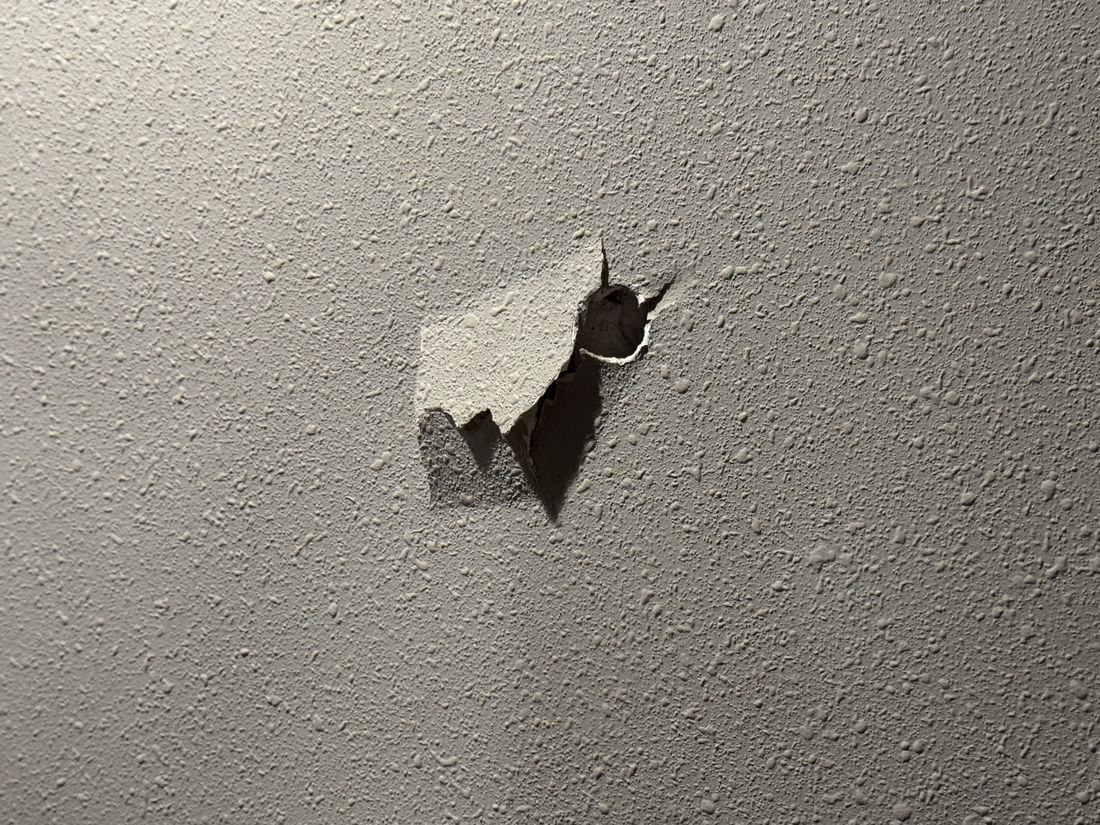
No. There was drywall damage and general cosmetic work needed here, and none of it was addressed before we bought. Minor repairs like this have almost no effect on a direct sale price and are not worth your time or money when you are organising a move.
How fast can you close?
An offer within about 24 hours of seeing the property, and closing in as little as seven days when title is clear. If you are coordinating an out-of-state move and need a particular date instead of speed, we will schedule to it.
Do you buy houses in Germantown and Washington County?
Yes. Most of our volume is in Milwaukee County and the immediate suburbs, but we buy throughout southeastern Wisconsin including Germantown, Menomonee Falls, West Bend and the surrounding Washington County communities.