Sell First,
Move When You're Ready
A House With Two of Everything
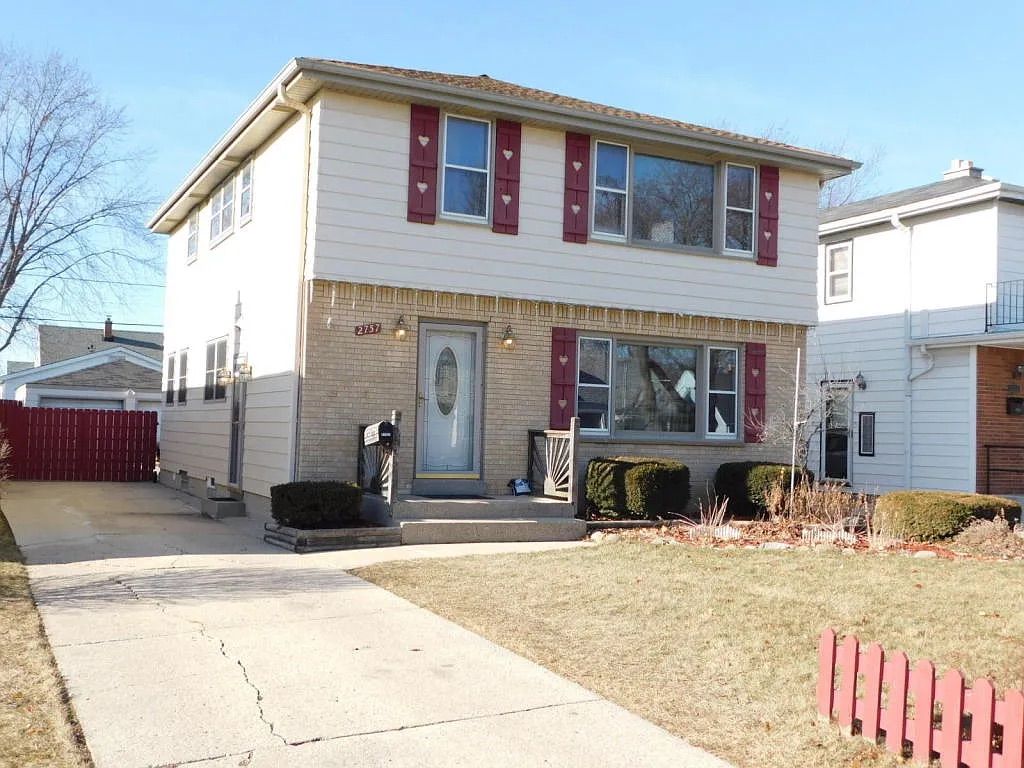
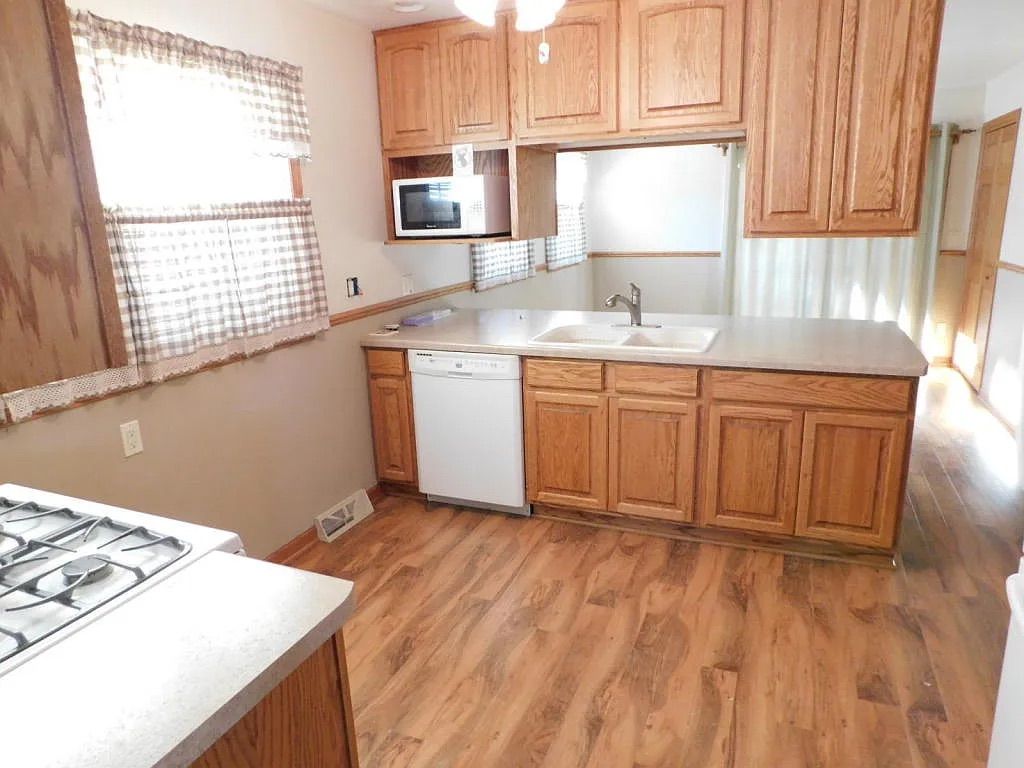
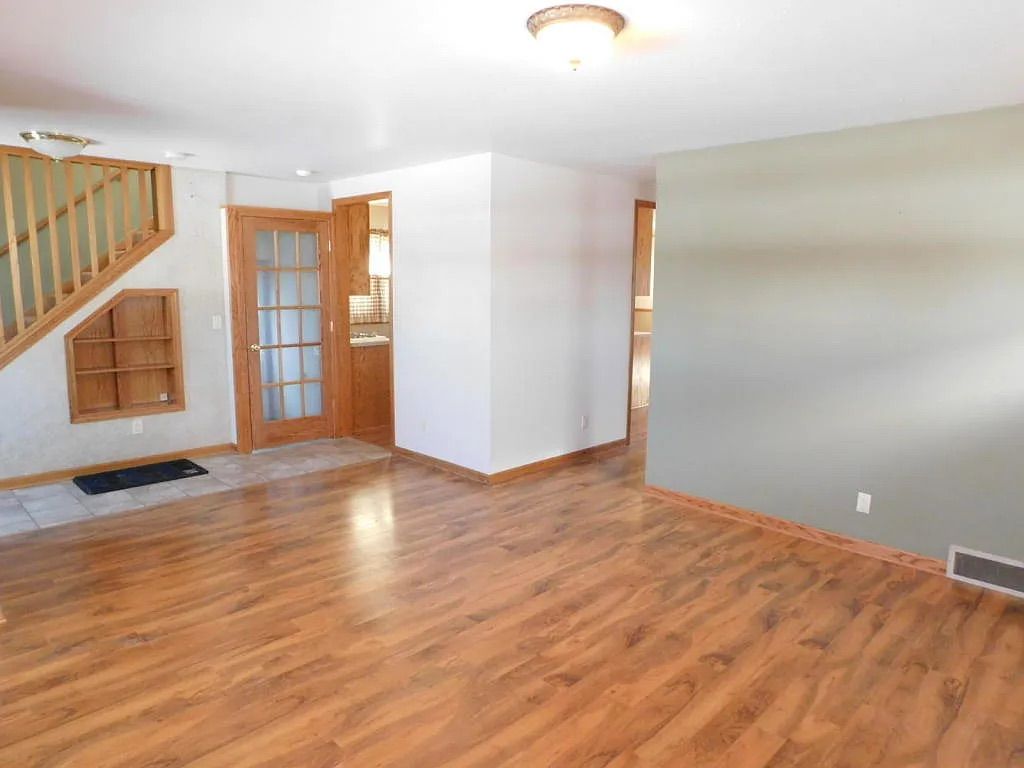
This South 70th Street property began life as a duplex and was later converted to a single-family home. That conversion is common enough across Milwaukee's older neighbourhoods, and it leaves a distinctive fingerprint.
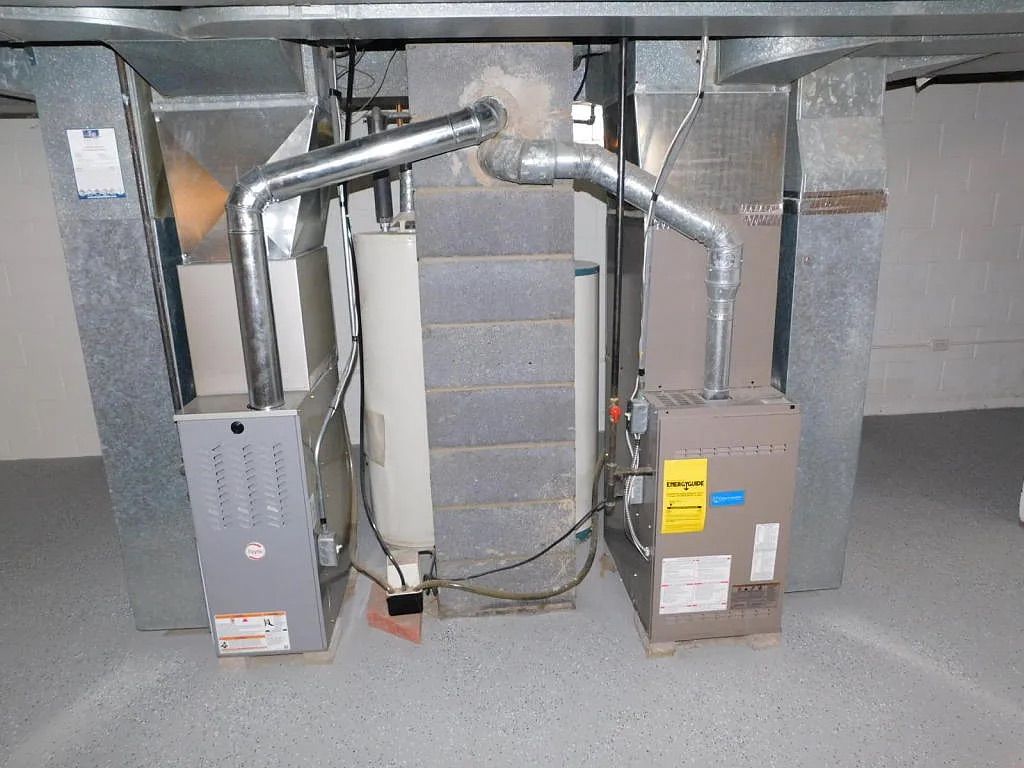
Look at the last photograph in the gallery: two separate furnace systems, side by side in the basement. That is the duplex legacy — the building still carries the mechanical infrastructure of two independent dwellings, along with a layout that never entirely stopped reading as two units stacked together.
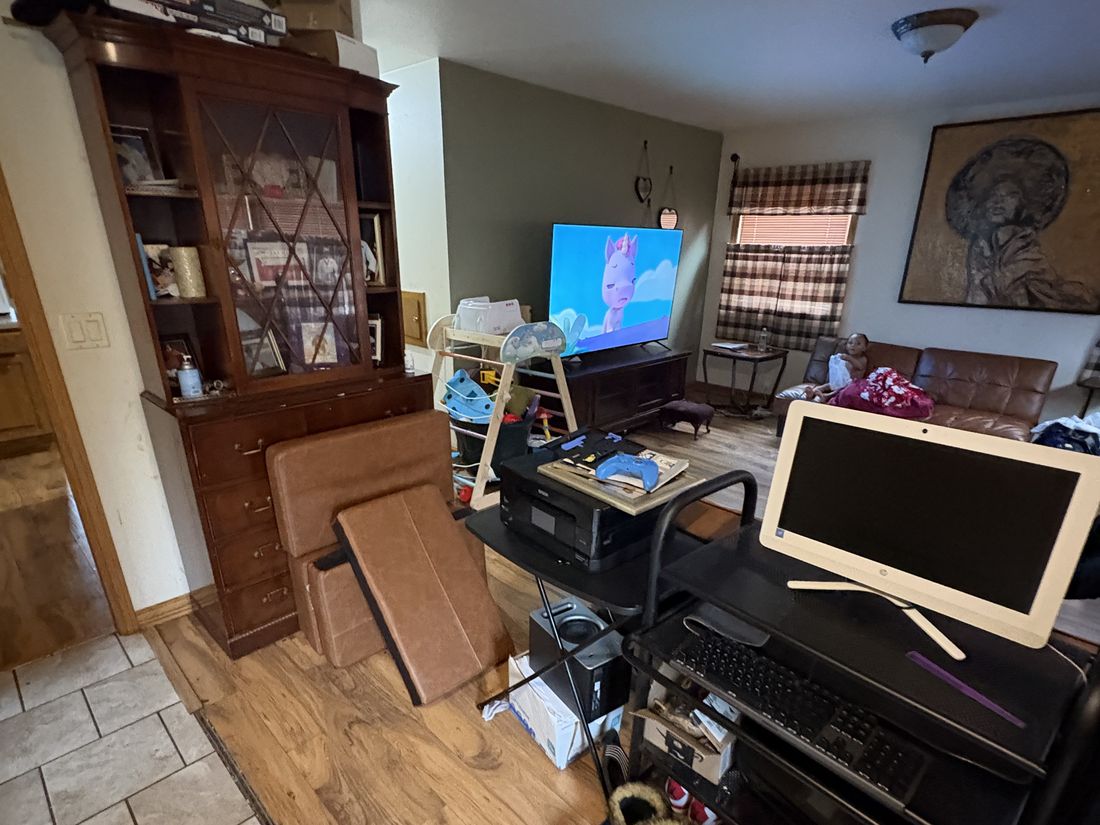
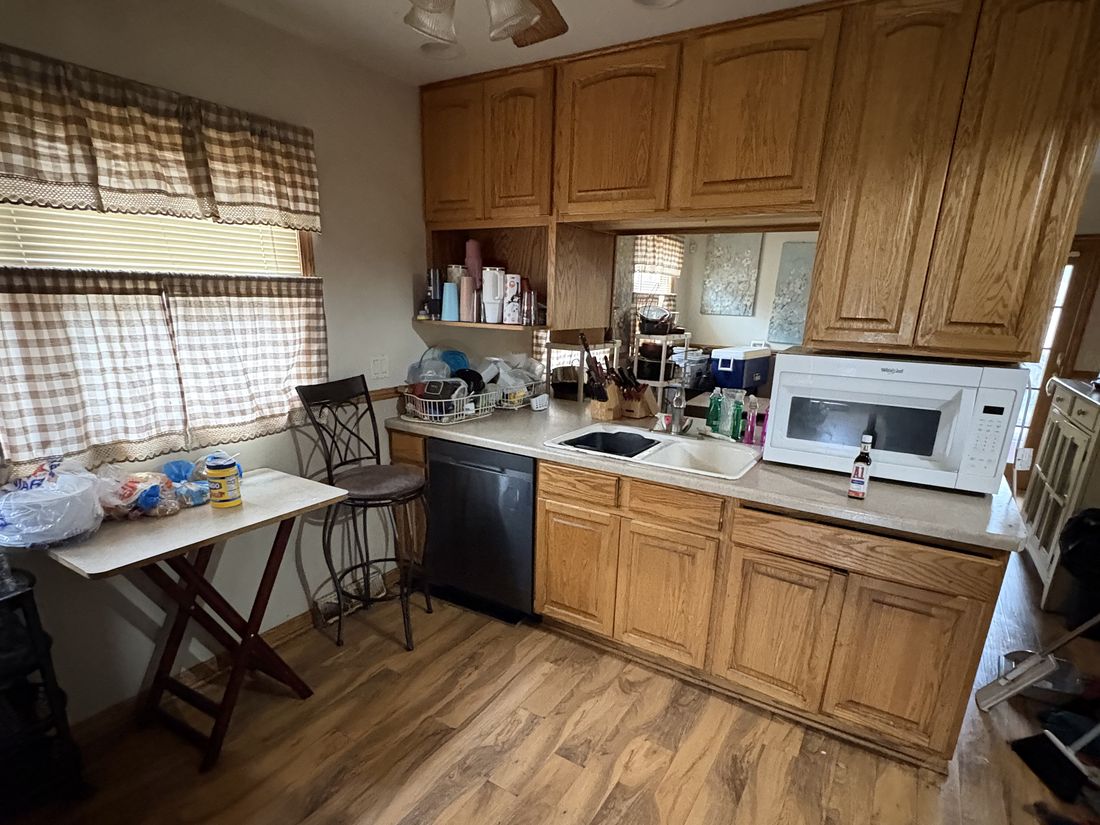
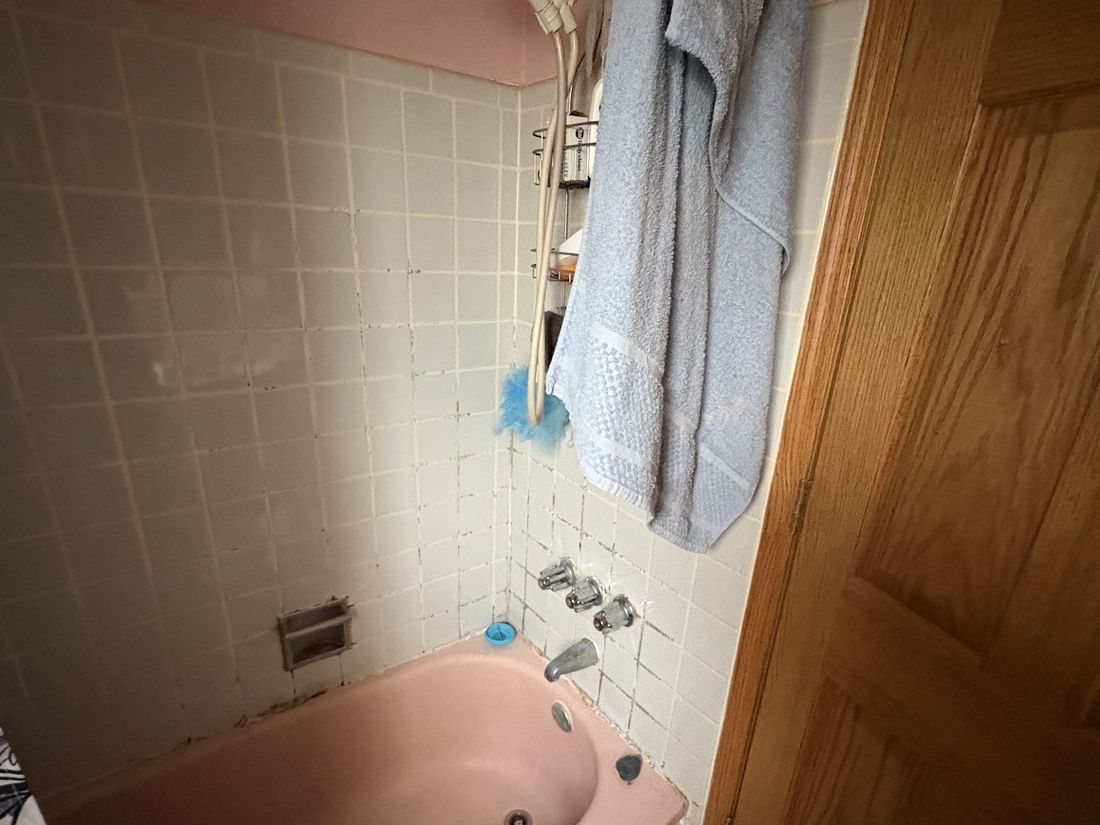
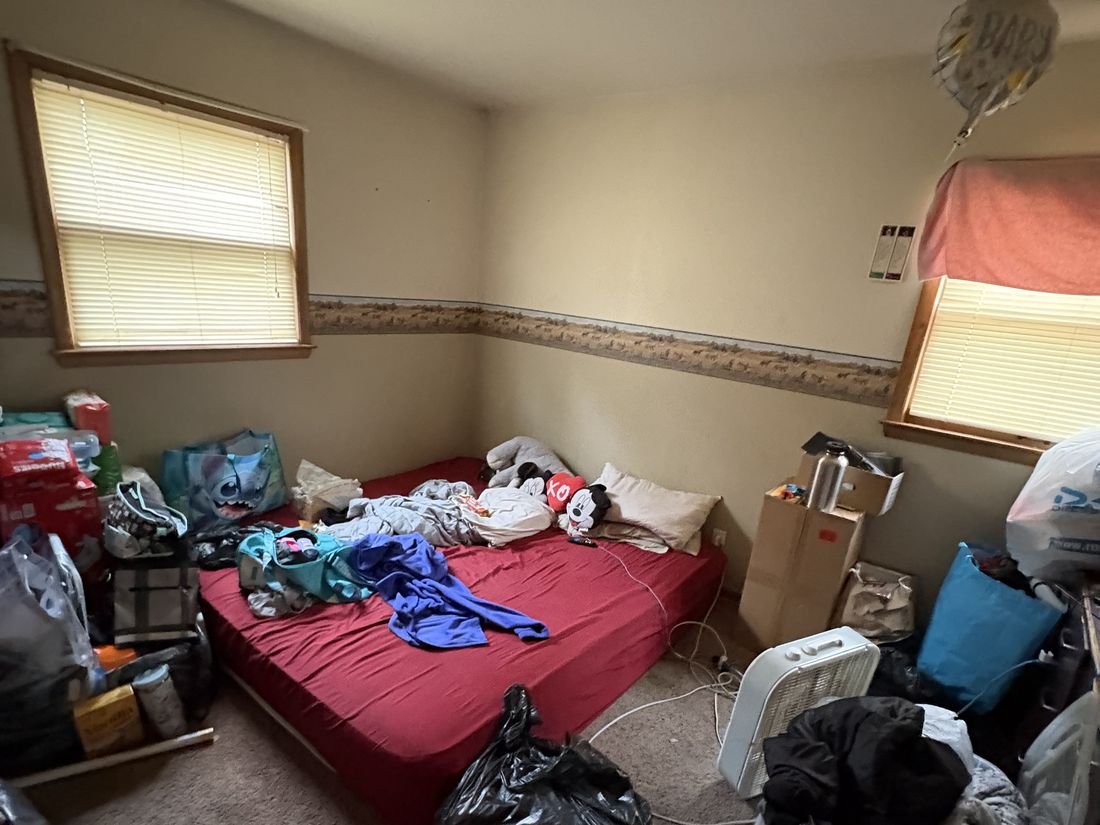
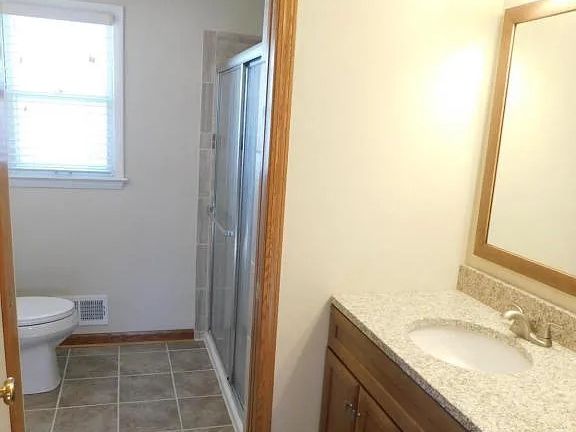
For an owner, that means twice the mechanical systems to service, twice the equipment to eventually replace, and a floor plan that feels larger and more awkward than the square footage suggests. Add a detached garage in below-average condition and cosmetic wear accumulated over years of living, and the house had become more building than she wanted to be responsible for.
She'd Already Tried Selling Once
This is the part of the story that shaped everything else.
She had sold a home the traditional way before, and that sale had dragged on for a full year. A year of keeping a house presentable. A year of showings scheduled around her life. A year of offers that came and went. By her own account it was an experience she had no intention of repeating.
So she came to this sale with two firm requirements that would ordinarily pull against each other: she wanted a strong net figure, and she absolutely did not want another open-ended listing.
Sellers who have been through a long listing describe the same thing: it is not the money, it is the not knowing. Keeping a house show-ready indefinitely, leaving at short notice for viewings, and having your own plans hostage to a buyer who may never materialise. For someone already feeling overwhelmed by the property, a second year of that is not a neutral option — it is the thing they are actively trying to avoid.
The Piece That Made It Work: an Extended Stay
Her other constraint was timing. She needed somewhere to go, and she needed to not be rushed into it — which is the classic bind. Sell first and you may be out before you have found the next place. Buy first and you are carrying two properties.
We closed quickly and gave her an extended occupancy period after closing. She sold the house, received her proceeds, and continued living there while she arranged her next move.
That arrangement is worth understanding, because most sellers do not know it is available. In a post-closing occupancy agreement, ownership transfers on the closing date but the seller remains in the property for an agreed period afterwards under written terms. It converts the most stressful part of moving — the simultaneous handoff — into two separate, manageable events.
A financed retail buyer usually cannot offer this. Their lender typically requires them to occupy the property within a defined window, and owner-occupant buyers generally have their own move-out date driven by a sale or lease of their own. A cash buyer with no lender and no personal move-in deadline has flexibility that a retail buyer simply does not.
What She Got
- A firm number with no financing contingency
- A swift closing rather than an open-ended listing period
- An extended stay in the home after closing, on agreed terms
- No open houses, no showings, no strangers walking through
- No pre-sale repairs to the cosmetics, the mechanicals or the garage
- No need to clear the house before the sale — she took what she wanted and left the rest
Owning a Converted Duplex in Milwaukee
Conversions are common here, and if you own one there are a few things worth knowing before you sell.
Check how it is classified. A property converted from two units to one may still be recorded as a duplex for zoning or assessment purposes, or it may not. That distinction affects who can buy it and how they finance it — a buyer intending to restore two units needs the zoning to permit it, and a lender will care about the classification matching the actual use. Confirm what the record says before assuming.
Double mechanicals cut both ways. Two furnaces and two water heaters mean redundancy, and they make a reconversion to two units much simpler. They also mean twice the servicing and twice the eventual replacement cost. A buyer's inspector will note the age of all of it.
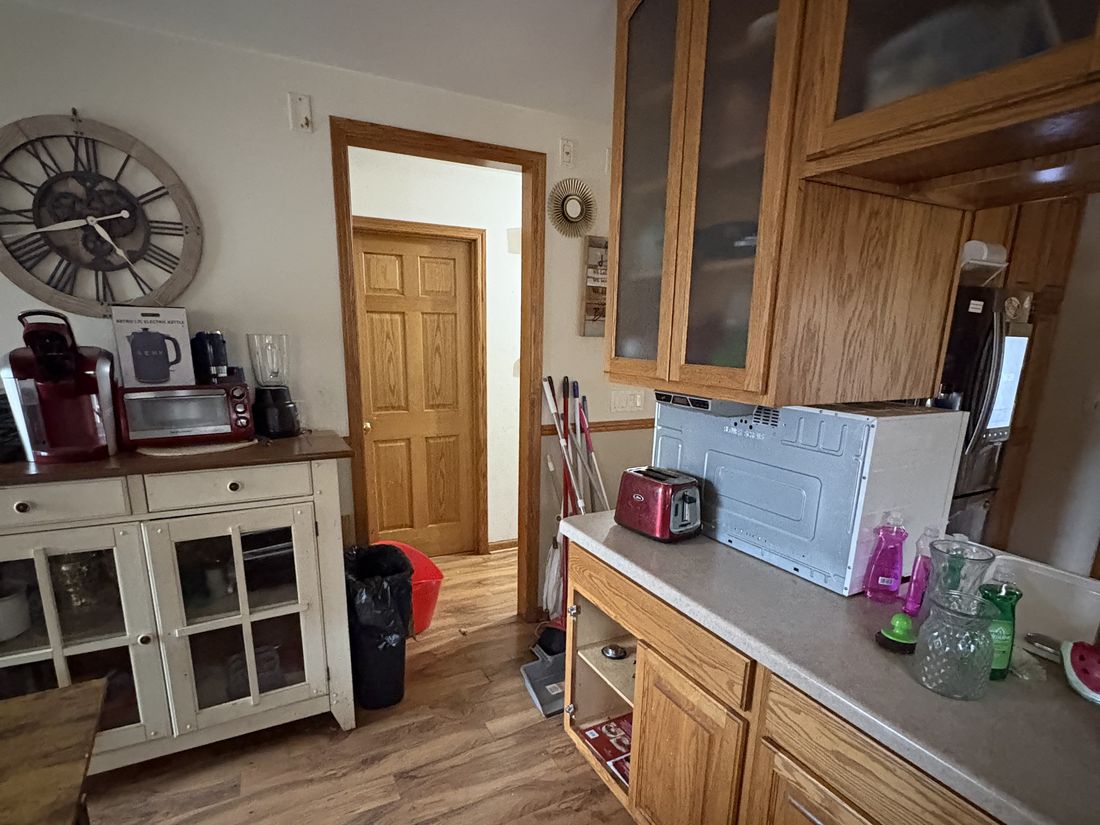
The layout is the hard part to sell. Conversions often retain odd circulation — a second kitchen space, a stairway that lands awkwardly, rooms that were once someone else's entire flat. Buyers respond to flow, and a floor plan that reads as two houses joined together narrows the pool.
None of that makes a conversion hard for us to buy. It makes it unpredictable to list, which is a different problem — and it is the problem this seller had already lived through once.
Situations We Handle Like This One
We buy from owners downsizing out of a house that has become too much, sellers who need to move on a schedule, landlords and duplex owners, inherited property, houses that need real work, and homes carrying tax liens. If you are weighing this against a listing, our honest comparison and our breakdown of selling as-is versus renovating first both set out the trade plainly. To understand where our number comes from, read how cash offers are calculated, and for current pricing see the 2026 Milwaukee market outlook.
Where We Buy in Southeast Wisconsin
We buy across Milwaukee, West Allis, Wauwatosa, Greenfield, Cudahy, Oak Creek, Franklin, New Berlin, Brookfield, Waukesha, Menomonee Falls, Mequon, West Bend, Racine and Kenosha. See all areas we serve, read how it works, or see what sellers say.
Staying After Closing & Converted Duplexes — Common Questions
Can I stay in my house after I sell it?
Yes, through a post-closing occupancy agreement. Ownership transfers on the closing date and you remain in the property for an agreed period afterwards under written terms covering length, any payment, insurance and condition at handover. That is exactly what we arranged here — the seller closed, received her proceeds, and stayed on while she organised her next move. It turns a stressful simultaneous handoff into two separate, manageable steps.
Why can't a regular buyer let me stay after closing?
Usually because their lender will not permit it. Owner-occupant financing typically requires the buyer to occupy the home within a set window after closing, so a long post-closing stay can breach their loan terms. Beyond that, most buyers have their own move-out date driven by the sale or lease of wherever they are living now. A cash buyer with no lender and no personal move-in deadline has flexibility a financed buyer genuinely does not.
How long can a post-closing occupancy last?
It is negotiable, and we would rather agree something realistic than something tight. Short periods of a week or two are straightforward; longer arrangements of a month or more are entirely possible and we have done them. What matters is that the terms are written down clearly — duration, any payment, who insures what, and the condition the property is handed over in — so there is no ambiguity later.
I had a house on the market for a year once. Why would this be different?
Because the failure mode is removed. A listing is an invitation with no guarantee attached — you may get an offer next week or in eight months, and even an accepted offer can collapse at financing or inspection. A direct purchase is a firm number with no lender to satisfy and no appraisal to clear. This seller had already spent a year on the traditional route and told us plainly she would not do it again; certainty was worth more to her than squeezing the last dollar out.
What is a converted duplex and does it hurt the value?
It is a two-unit building later combined into a single home, common across older Milwaukee neighbourhoods. It does not inherently hurt value, but it narrows the buyer pool. Conversions often keep an awkward layout, a second kitchen space or duplicated mechanical systems, and buyers respond strongly to flow. It also raises questions about zoning and classification that a financed buyer's lender may want answered.
Is having two furnaces a problem?
Not a problem exactly, but it is a cost. Two furnaces and often two water heaters mean twice the annual servicing and twice the eventual replacement expense. The upside is redundancy, and it makes converting the property back to two units far simpler for a future owner. A buyer's inspector will note the age and condition of every unit, and if they are all of a similar vintage they will all need replacing at roughly the same time.
Do I need to clean the house out before I move?
No. Take what matters to you and leave the rest — furniture, appliances, whatever is in the basement and garage. When you are already managing a move, deciding what to do with decades of accumulated belongings is often the most exhausting part. Leaving it behind is entirely normal in our purchases and does not affect the offer.
Do I have to fix the garage or the cosmetic wear first?
No. The detached garage on this property was in below-average condition and the interior carried years of cosmetic wear, and neither needed addressing before we bought. Pre-sale repairs to outbuildings and cosmetics have poor returns generally — they cost real money and rarely move the price by more than they cost.
How quickly can you close?
An offer within about 24 hours of seeing the property, and closing in as little as seven days where title is clear. Wisconsin closings run through a title company, which keeps things relatively quick. And as this project shows, closing quickly and moving out quickly do not have to be the same thing — you can take the certainty now and the time you need afterwards.
Do you buy houses in Milwaukee's south side neighbourhoods?
Yes. The 53219 area and the surrounding south-side and near-suburban neighbourhoods are core to our market, along with West Allis, Greenfield and Wauwatosa. Older housing stock, converted duplexes and two-unit buildings are property types we actively look for.